DreamFace

Language

En
    Language
  • English
  • Português
  • 简体中文
  • 繁體中文
  • 日本語
  • Español
  • Bahasa Indonesia
  • ไทย
  • Tiếng Việt
  • हिन्दी
  • Русский
  • Italiano
  • 한국어
  • मराठी
  • Nederlands
  • Norsk
  • ਪੰਜਾਬੀ
  • Polski
  • Dansk
  • Suomi
  • Français
  • Deutsch
  • Svenska
  • Kiswahili
  • తెలుగు
  • Türkçe
  • বাংলা
  • اردو
  • العربية
  • فارسی
  • Ελληνικά
Start Now
Chrome Store
4.9

Chrome Store

20,000,000+

Global Users

Apple Store
4.9

Apple Store

Trusted by Leading Institutions Worldwide

From a Rough Thought to a Creative Direction

step 1

Define the Creative Question

Open DreamFace Canvas and create a project in Content Creation. Write the question you want to explore, such as how to introduce a summer drink to people who enjoy relaxed outdoor gatherings.

step 2

Give the Agent Useful Context

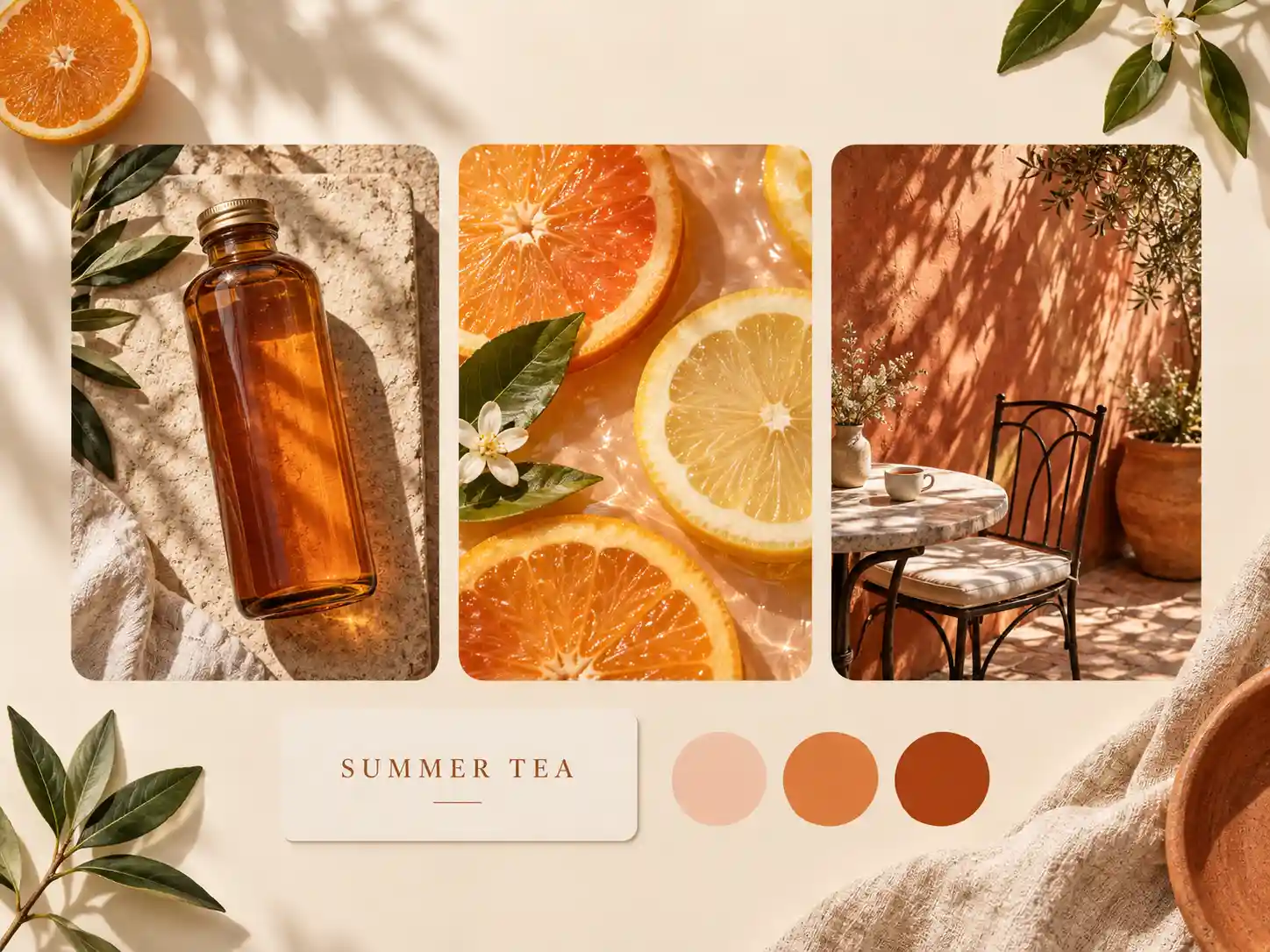
Add your product image and a few relevant references. Try: "Explore a summer tea content concept for a small café. Use these citrus colors and this sunlit setting as inspiration. Keep the bottle central and the tone relaxed."

step 3

Develop the Direction With Feedback

Read the response, review any outputs, and explain what you want to strengthen or change. Follow the available tools and credit requirements for your task. Keep the audience and message in view as the idea develops.

Four Creative Briefs to Bring to Your Canvas

Turn Scattered Inspiration Into a Clear Brief

A product photo, a color palette, and a favorite setting can point toward an idea without explaining it. Add those references and tell the agent what connects them. For a summer tea concept, describe the citrus colors, sunlit mood, and relaxed café atmosphere you want the content to communicate.
Turn Scattered Inspiration Into a Clear Brief

Explore the Story Around a Product

Ask for a creative direction that puts your product in context. Should a tea bottle feel bold and refreshing or quiet and handmade? Describe the audience and occasion, then request an alternative direction if the first feels off. Use the conversation to sharpen the concept before judging the visual details.
Explore the Story Around a Product

Give a Short-Film Idea a Starting Point

Begin with a moment: a cabin door opening, a walk through the trees, or a first glimpse of a lake. Use the cinematic short-footage inspiration option to frame your request, then explain the setting, subject, and mood. Develop the idea with the agent and review the task options available for bringing it further.
Give a Short-Film Idea a Starting Point

Keep the Brand's Personality in the Conversation

A neighborhood bakery may call for flour-dusted hands, warm light, and an everyday tone. Introduce representative social content through Account Persona, then explain how the new project should relate to it. Let your established style inform the brief while leaving room for a fresh subject or story.
Keep the Brand's Personality in the Conversation

Frequently Asked Questions

Better Creative Direction Starts With Better Context

An Idea Can Be Enough to Begin

You do not need a finished production brief to open a project. Start by explaining who the content is for and what it should convey, then make the direction more specific as you go.

Show the Detail Words Miss

A reference can communicate the quality of light, a material, or a visual rhythm. Explain which part matters so the agent has a clearer basis for interpreting your request.

Ask for a Meaningful Alternative

When a concept needs a different approach, name the dimension you want to explore: playful versus understated, studio versus everyday setting, or product detail versus a wider story.

Choose With Your Brief in Mind

Evaluate the work against its purpose, audience, and intended style. Review generated details and decide what needs refinement before treating a concept as finished content.

More Valuable Features from Dreamface

Background Remover
Prepare a clean product cutout to support a creative brief.
Photo Enhancer
Explore clarity improvements for a reference photo with useful details.
AI Filter
Experiment with a photo treatment when choosing the mood of a concept.
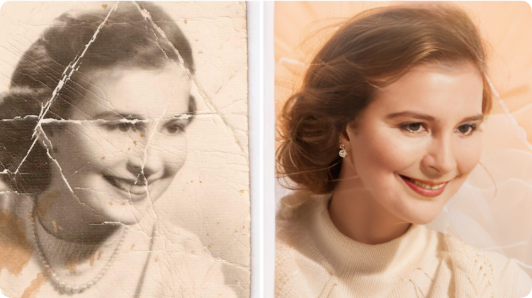
Old Photo Restoration
Explore older photographs as a starting point for personal visual storytelling.

They Love Dreamface

Sample Review: My References Finally Had a Purpose

I had saved café photos, colors, and packaging ideas without knowing how to explain the connection. Choosing a few and stating what I liked about each made my summer drink brief much clearer.

Sample Review: The Product Needed a Story

I started with a bottle photo and realized I had not said who the content was for. Adding the audience and the occasion helped me focus the request beyond simply making the product look attractive.

Sample Review: A Different Mood Changed the Direction

I was torn between a bright studio concept and a quieter everyday setting. Asking for a different mood helped me articulate what I wanted to explore rather than changing everything at once.

Sample Review: One Moment Helped Me Start

My travel-film idea was too broad. Beginning with a cabin door opening gave me a concrete scene to describe. From there, it was easier to explain the landscape and atmosphere I had in mind.

Sample Review: The Brief Sounded More Like Us

I chose bakery posts that felt warm and informal for the account persona. That gave me a clearer reference point when describing a new bread-making concept.

Sample Review: I Had a Better Way to Give Feedback

Instead of saying I did not like a direction, I could point to the mood or the product emphasis. That made each follow-up more useful and helped me decide what the concept still needed.

Sample Review: My References Finally Had a Purpose

I had saved café photos, colors, and packaging ideas without knowing how to explain the connection. Choosing a few and stating what I liked about each made my summer drink brief much clearer.

Sample Review: The Product Needed a Story

I started with a bottle photo and realized I had not said who the content was for. Adding the audience and the occasion helped me focus the request beyond simply making the product look attractive.

Sample Review: A Different Mood Changed the Direction

I was torn between a bright studio concept and a quieter everyday setting. Asking for a different mood helped me articulate what I wanted to explore rather than changing everything at once.

Sample Review: One Moment Helped Me Start

My travel-film idea was too broad. Beginning with a cabin door opening gave me a concrete scene to describe. From there, it was easier to explain the landscape and atmosphere I had in mind.

Sample Review: The Brief Sounded More Like Us

I chose bakery posts that felt warm and informal for the account persona. That gave me a clearer reference point when describing a new bread-making concept.

Sample Review: I Had a Better Way to Give Feedback

Instead of saying I did not like a direction, I could point to the mood or the product emphasis. That made each follow-up more useful and helped me decide what the concept still needed.