


What Is AI Video Translation and How It Works
AI video translation is the process of converting spoken content in a video into another language using artificial intelligence. It typically includes speech recognition, language translation, AI-generated voice output, lip-sync alignment, and optional subtitle creation. AI video translation allows creators to localize videos efficiently without re-recording or manual editing, making global video distribution faster and more scalable.
- AI Video Translator
- AI Translator
- AI Video
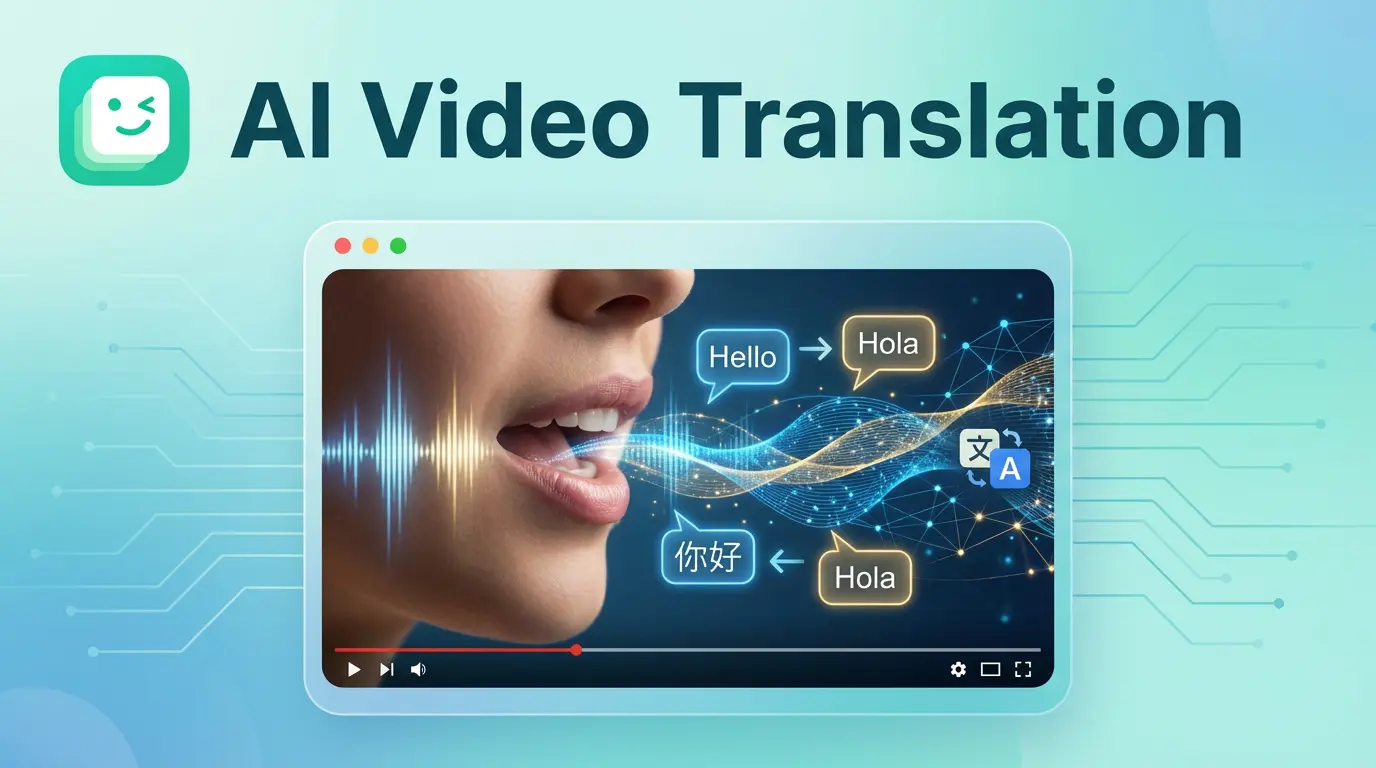
AI video translation is becoming a core capability for creators and businesses that want to reach global audiences without re-recording content.
Instead of producing the same video multiple times in different languages, AI translation enables a single video to be transformed into multiple localized versions — with translated speech, synchronized lip movement, and subtitles — automatically.
This article explains what AI video translation is, how it works, and why it is increasingly used in modern video workflows.
What Is AI Video Translation?
AI video translation refers to the process of converting spoken content in a video from one language into another using artificial intelligence.
A complete AI translation workflow typically includes:
- Automatic speech recognition (ASR)
- Text translation into a target language
- AI-generated voice output
- Lip-sync or facial motion alignment
- Optional subtitle generation
The goal is not only to translate words, but to preserve meaning, tone, and timing so the video feels natural in the new language.
English Version
Chinese Version (Mandarin)
How AI Video Translation Works
Most AI video translation systems follow a structured pipeline:
- Speech Recognition The system identifies and transcribes spoken dialogue in the original video.
- Language Translation The transcript is translated into the target language while maintaining sentence structure and intent.
- Voice Generation AI generates new audio in the target language, often matching pacing and emotional tone.
- Lip Sync and Timing Alignment Facial movement and timing are adjusted so the translated speech visually matches the speaker.
This process allows one video to scale across regions without manual editing.
Languages Supported Today and What’s Coming Next
Modern AI translation tools often start with a focused language set before expanding.
Current support typically includes:
- Chinese
- English
- Spanish
- Japanese
- Korean
- Portuguese
- French
These languages cover a large portion of global digital audiences. As models improve, expansion toward 19 languages enables broader localization across Europe, Asia, and emerging markets.
Why AI Translation Is Replacing Traditional Video Localization
Traditional localization requires:
- Re-recording audio
- Hiring voice actors
- Manual editing
- Long turnaround times
AI translation dramatically reduces:
- Cost
- Production time
- Operational complexity
This makes global video communication more accessible for creators, educators, and teams.
Final Thoughts
AI video translation is no longer experimental technology. It is a practical solution for scaling video content across languages while maintaining visual and emotional consistency.
As language coverage expands, AI translation will become a standard component of modern video creation workflows.
.webp)
DreamFace AI Live Avatar: Always-On AI Character Livestreaming
Turn any character into an always-on live streaming host — from talk shows and quizzes to memorial tributes and late-night companionship — with no one required behind the camera.
By Daniel一Aug 18, 2026- AI Video
- AI Live Avatar
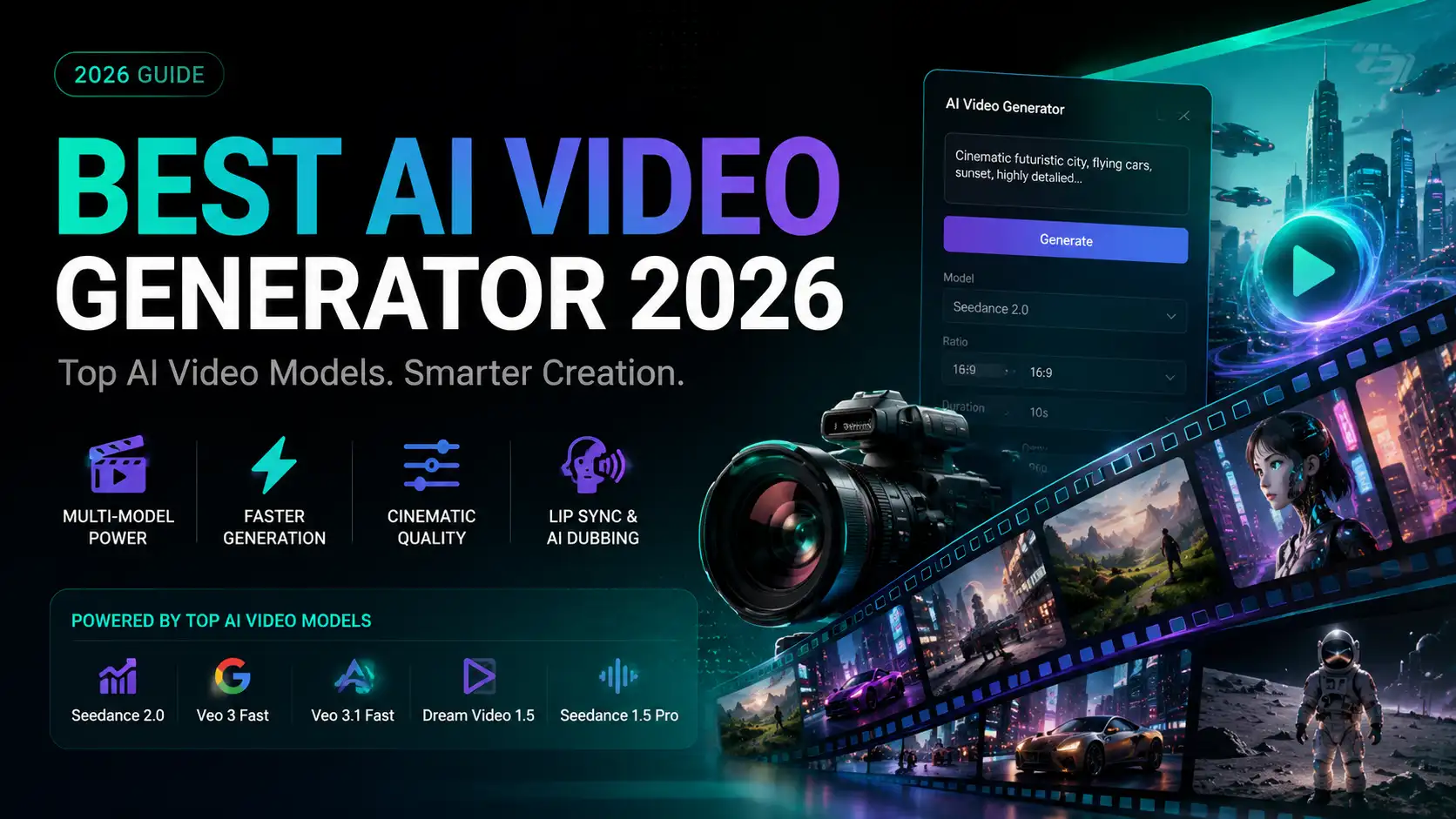
Best AI Video Generator 2026: Why Multi-Model AI Platforms Are Winning
AI video generation has entered a completely new era in 2026. What started as short experimental clips has rapidly evolved into cinematic storytelling, AI anime production, virtual influencers, talking avatars, and fully AI-generated social media content.
By Bentley一May 26, 2026- AI Video Generator
- AI Video
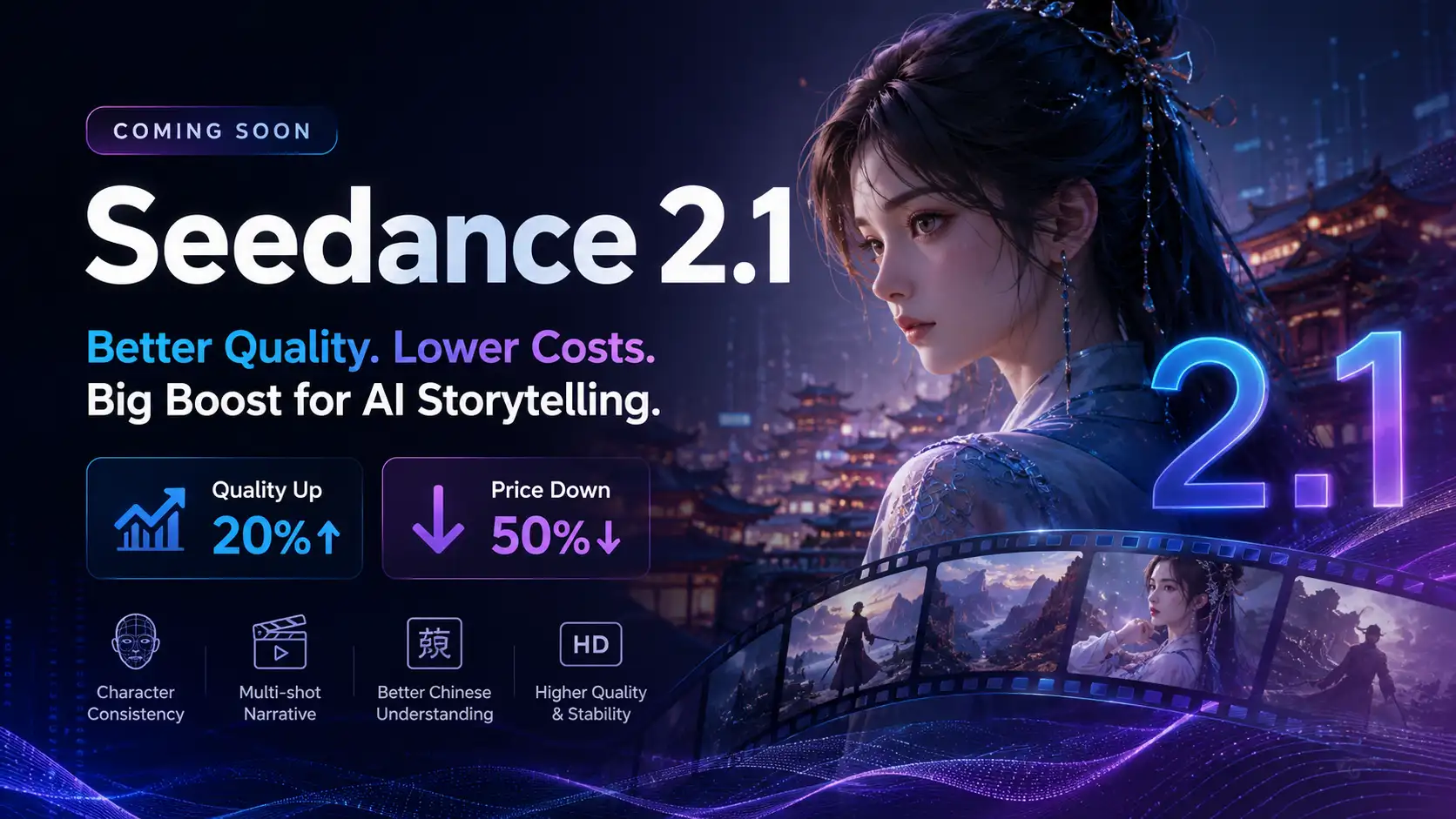
Seedance 2.1 Is Coming: Better Quality, Lower Costs, and a Big Boost for AI Storytelling
The AI video generation race has slowed down a bit recently. Earlier this year, new models were launching almost every week, pushing image and video generation forward at an incredible pace. After the buzz around GPT Image models, the industry has been waiting for the next major leap in AI video.
By stxph一May 23, 2026- AI Video
- Seedance 2.1
- Seedance 2.0