


AI Translate for Global Video Creation: From One Video to Many Languages
- AI Video
- AI Translator
- AI Video Translator
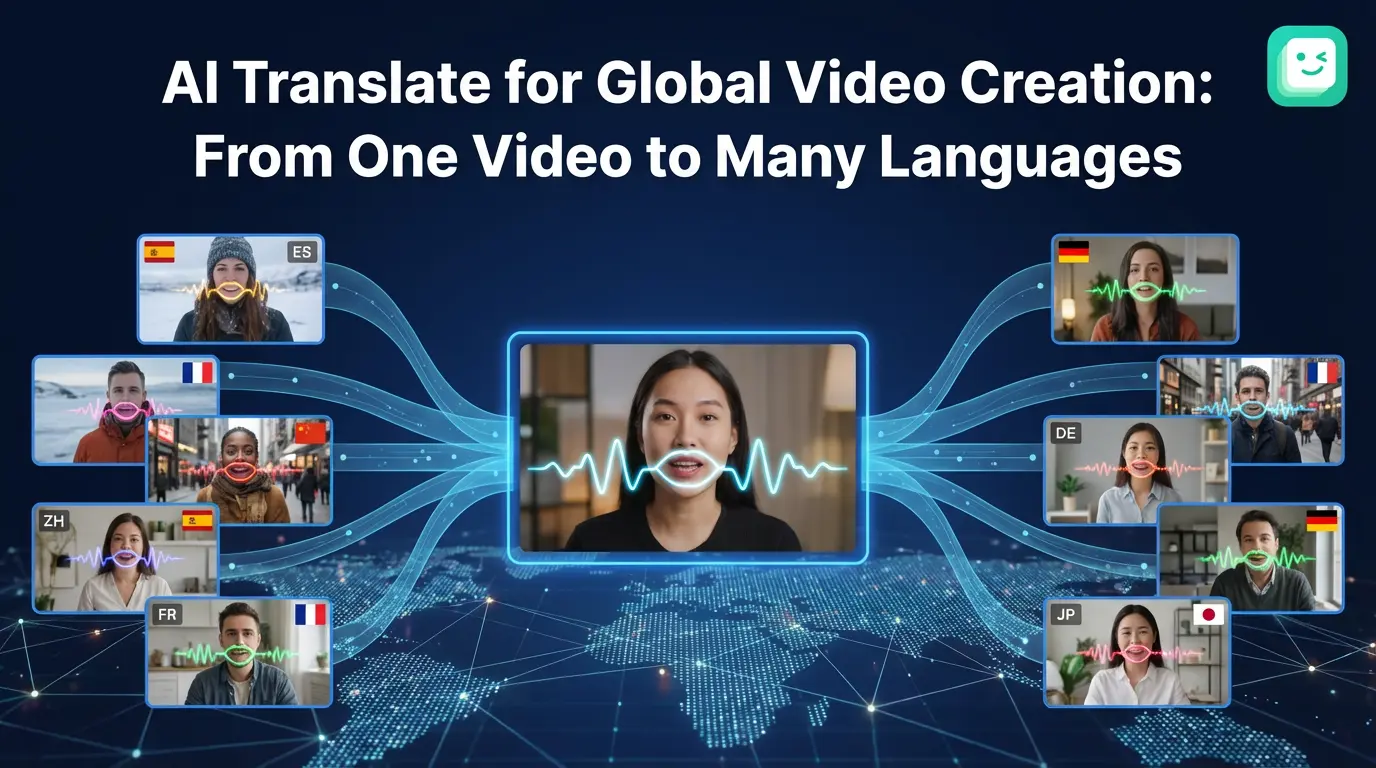
Global audiences consume video content in dozens of languages. AI translation allows a single video to scale internationally without changing the original production process.
This article explores how AI Translate fits into modern video creation workflows and why it is becoming essential for global distribution.
Example:
English Version
Chinese Version (Mandarin)
The Challenge of Global Video Distribution
Without AI translation, creators face:
- High localization costs
- Inconsistent voice performance
- Long production cycles
- Fragmented content pipelines
These challenges make global expansion difficult for small teams and individual creators.
How AI Translate Solves This Problem
AI Translate enables:
- Automatic speech transcription
- Multi-language translation
- AI-generated voice output
- Lip-synced video playback
- Subtitle generation
The result is a localized video that feels native rather than adapted.
Supported Languages and Expansion
Currently, AI Translate workflows support 7 core languages:
- Chinese
- English
- Spanish
- Japanese
- Korean
- Portuguese
- French
Planned expansion to 19 languages allows coverage across more regions and content types.
Who Uses AI Translate?
AI Translate is commonly used by:
- Content creators
- Online educators
- Marketing teams
- International businesses
- Media platforms
It enables consistent messaging across borders without rebuilding content.
Why AI Translation Is a Long-Term Advantage
As video becomes the dominant communication format, language barriers increasingly limit reach.
AI translation:
- Extends content lifespan
- Improves accessibility
- Increases global engagement
- Reduces localization overhead
This makes it a strategic tool, not just a feature.
Final Thoughts
AI Translate transforms video from a local asset into a global one. By combining translation, voice generation, and visual alignment, it allows creators to communicate across languages with minimal effort.
As language support continues to expand, AI translation will play a central role in how videos are created and shared worldwide.
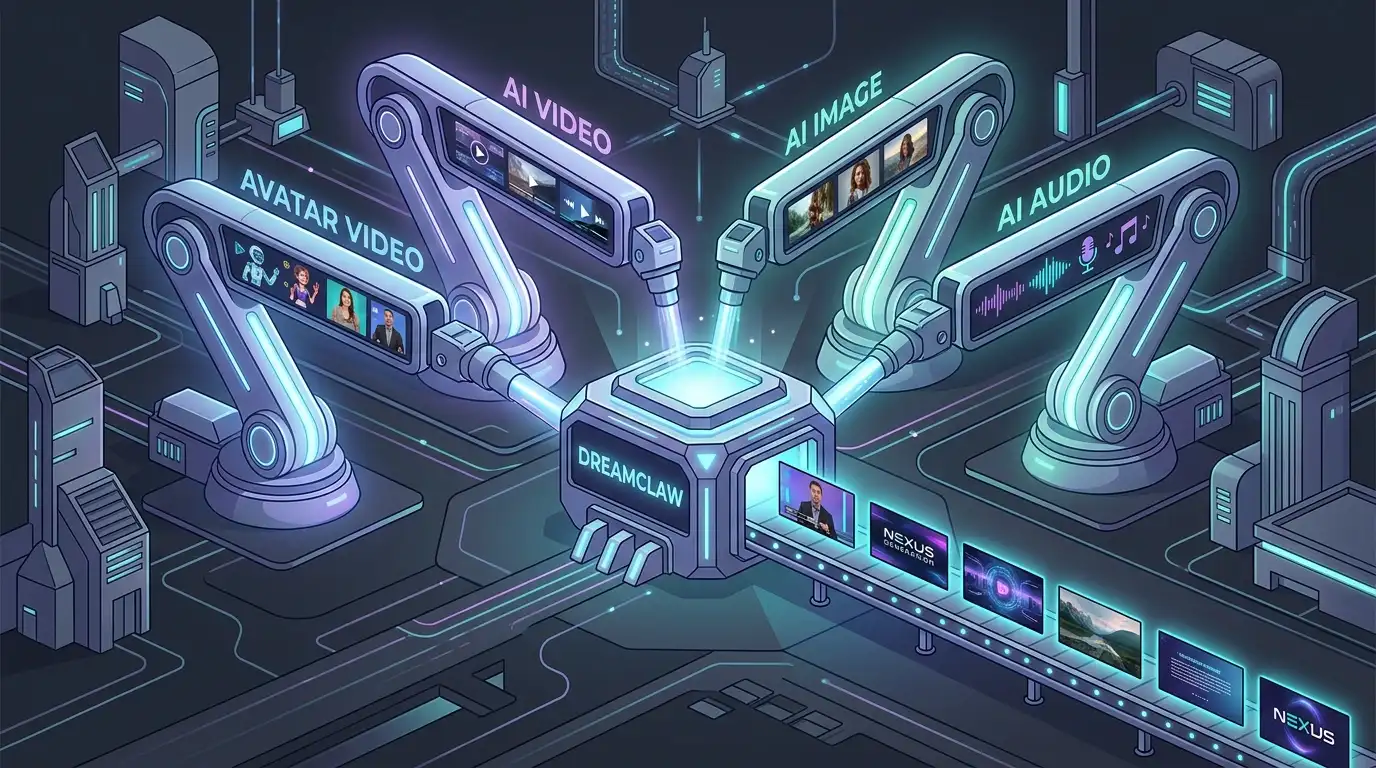
DreamClaw Agent: The All-in-One AI Automation Engine for DreamFace
Mar 04, 2026.jpg)
Seedance 2.0 Prompt Guide: The Ultimate Template for Cinematic AI Videos
Mar 03, 2026
Seedance 2.0 Prompt Guide: The Complete 2026 AI Video Creation Handbook
Feb 28, 2026
Google Nano Banana 2 Review: Pro-Grade Image Generation at Flash-Level Pricing
Feb 26, 2026
Seedance 2.0 Prompt Guide: The Ultimate Template for Cinematic AI Videos
Stop generating "slideshow" videos. This guide provides a creator-first framework for Seedance 2.0, focusing on the two pillars of high-quality AI video: logical structure and cinematic camera movement. Learn how to move beyond basic descriptions by using multi-shot templates, emotional modifiers, and stability constraints to create professional, immersive content. Stop asking if your prompt is detailed—start asking if your video is worth watching.
By Skylar 一 Feb 08, 2026- AI Video
- Text-to-Video
- seedance 2.0
- Image-to-Video
Seedance 2.0 Prompt Guide: The Complete 2026 AI Video Creation Handbook
In February 2026, ByteDance officially released its latest AI video generation model — Seedance 2.0. Dubbed by many in the industry as “the most powerful AI video tool on Earth,” Seedance 2.0 is rapidly reshaping the video creation landscape.
By Skylar 一 Feb 08, 2026- AI Video
- seedance 2.0
- Text-to-Video
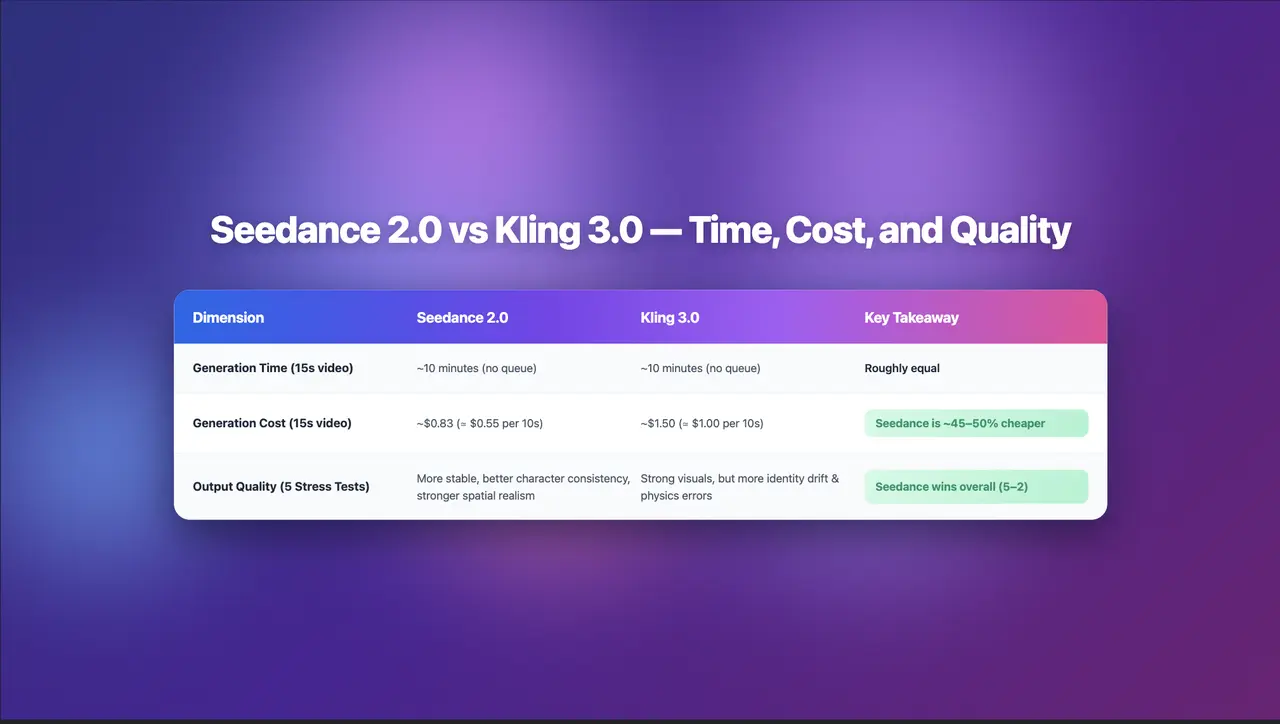
Seedance 2.0 Review: Stress-Testing Character Consistency Across 5 Extreme AI Video Scenarios
Seedance 2.0 recently launched a low-key update claiming to solve multi-angle continuity, smooth transitions, and consistent characters. To see whether it lives up to the hype, I ran five extreme stress tests, using the same prompts across Seedance 2.0 and Kling 3.0.
By Skylar 一 Feb 08, 2026- AI Video
- Text-to-Video
- Image-to-Video
- seedance 2.0
- X
- Youtube
- Discord