


Best AI Avatar Generators in 2026: Which One Fits You?
- AI Video
- Talking Avatar
- Avatar Video
The best AI avatar generator in 2026 depends less on headline features than on the kind of content you actually need to make.
Some tools are built for creator-style avatar videos. Some are better for digital twins and multilingual marketing. Others are designed for training, internal communication, or interactive AI agents. Treat them all as the same category, and the comparison quickly becomes less useful than it looks.
That is why DreamFace, HeyGen, Synthesia, and D-ID deserve to be evaluated a little differently. DreamFace makes the strongest case for creators who want to move from image-based avatars into animated video. HeyGen is especially compelling for digital twins, photo avatars, and multilingual campaigns. Synthesia remains the clearest enterprise-facing option for training and presenter-led communication. D-ID stands out when expressive avatars and interactive experiences matter more than a straightforward talking-head workflow. DreamFace’s avatar video page , HeyGen’s avatar page , Synthesia’s avatar page , and D-ID’s AI avatar page all reflect those positioning differences.
The quick answer
Choose DreamFace if you want a creator-friendly workflow that starts with an image and extends naturally into animated avatar video, especially when full-body motion and social-ready output matter. DreamFace publicly separates its AI Avatar Generator from its AI Avatar Video Generator , which is exactly why it fits this use case so well.
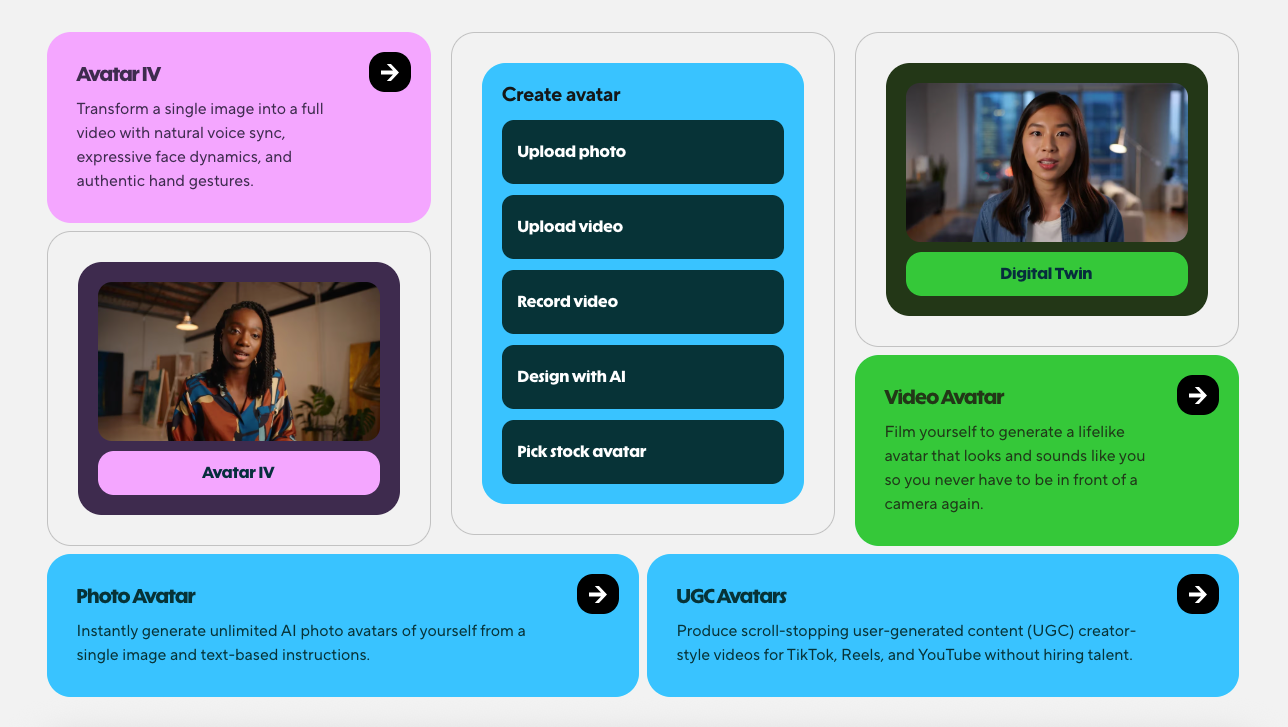
Choose HeyGen if you care most about digital twins, photo avatars, UGC-style content, and broad language support for marketing workflows. Its avatar product positioning explicitly spans stock avatars, Avatar IV, Digital Twin, Photo Avatar, and UGC Avatars.
Choose Synthesia if your priority is training, internal communication, and polished presenter-led business video. Its avatar offering is built around ready-made talking avatars, personal avatars, and studio avatars for structured communication at scale.
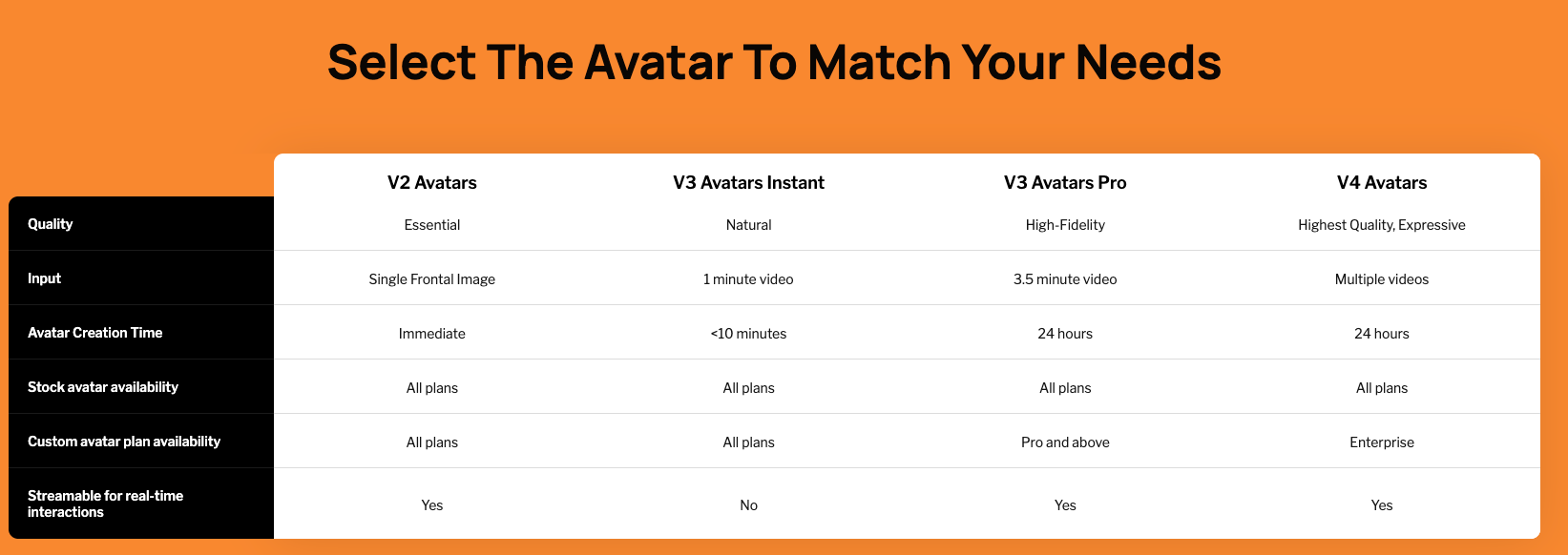
Choose D-ID if you want more expressive avatar delivery or are thinking beyond basic talking avatars toward interactive visual agents. Its public avatar lineup now differentiates V2, V3 Instant, V3 Pro, and V4, with V4 framed around more expressive video and interactive use cases.
At a glance
| Tool | Best for | Main strength | Main trade-off |
|---|---|---|---|
| DreamFace | Creators, avatar video, full-body animated content | Smooth bridge from image-based avatar creation to animated avatar video | Needs clearer editorial framing to separate static avatar creation from avatar video |
| HeyGen | Digital twins, multilingual marketing, UGC-style video | Broad avatar types and strong localization story | More business and campaign-oriented than some casual creator use cases |
| Synthesia | Training, presenter workflows, internal comms | Strong enterprise communication structure | Less naturally aligned with playful or trend-led creator content |
| D-ID | Expressive avatars, interactive experiences | Strong differentiation around avatar tiers and interactive agents | More complexity than many users need for basic avatar video |
What makes an AI avatar generator worth using in 2026?
The category has expanded enough that “best AI avatar generator” no longer means one thing.
For some people, it means generating polished avatar images from a source photo. For others, it means turning a still image into a talking avatar. For teams, it might mean building repeatable presenter videos or localized spokesperson content. For more advanced use cases, it can even mean interactive visual agents.
That is the first reason many comparison articles feel shallow. They treat static avatars, talking avatars, and full avatar video as if they were interchangeable. They are not.
A better comparison starts with five practical questions. How convincing is the lip sync? How natural does the movement look? How much control do you get over the avatar type? How much friction sits between your prompt and your final export? And does the workflow actually match the kind of content you publish?
Those questions matter more than a long feature checklist because they reveal whether a platform is built for creators, marketers, business teams, or something more specialized. Based on the currently available product evidence, workflow fit is the real dividing line in this category.

Why DreamFace deserves a stronger look
DreamFace is more interesting than a typical “top tools” roundup makes it seem because it does not stop at static avatar creation.
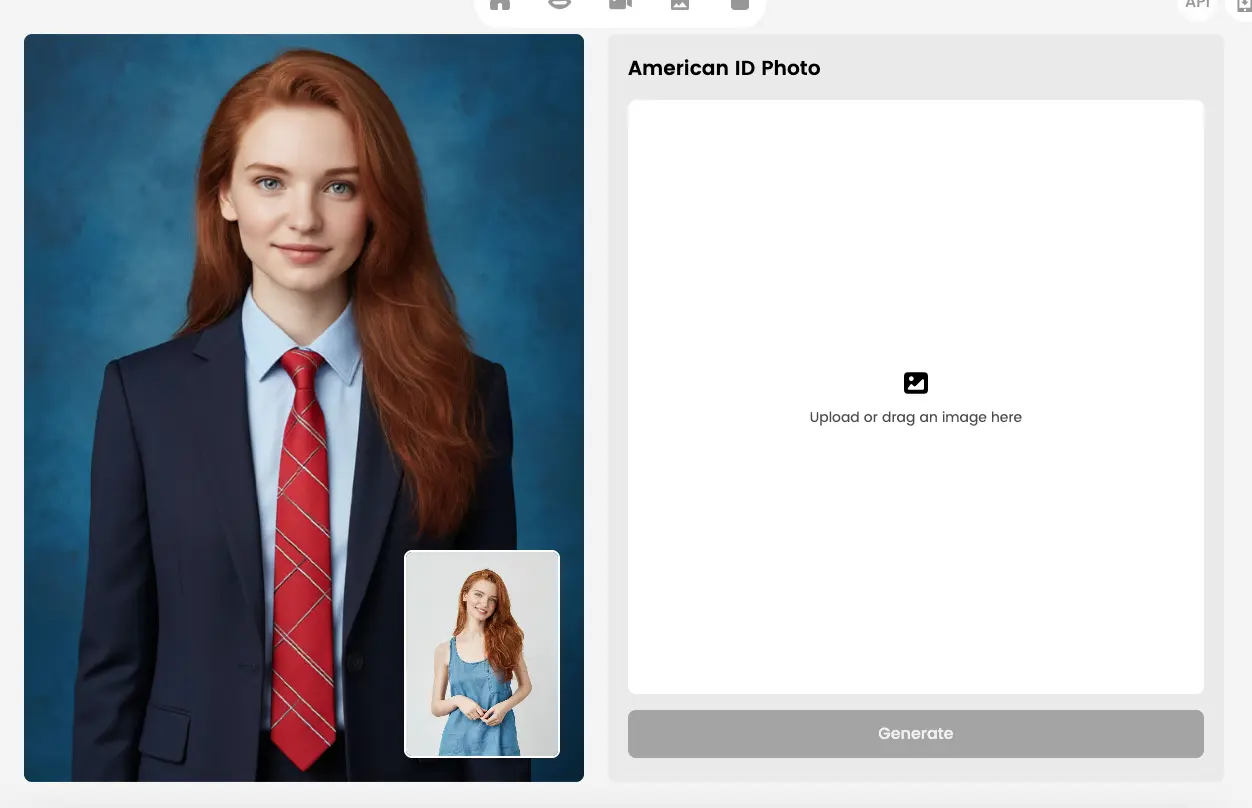
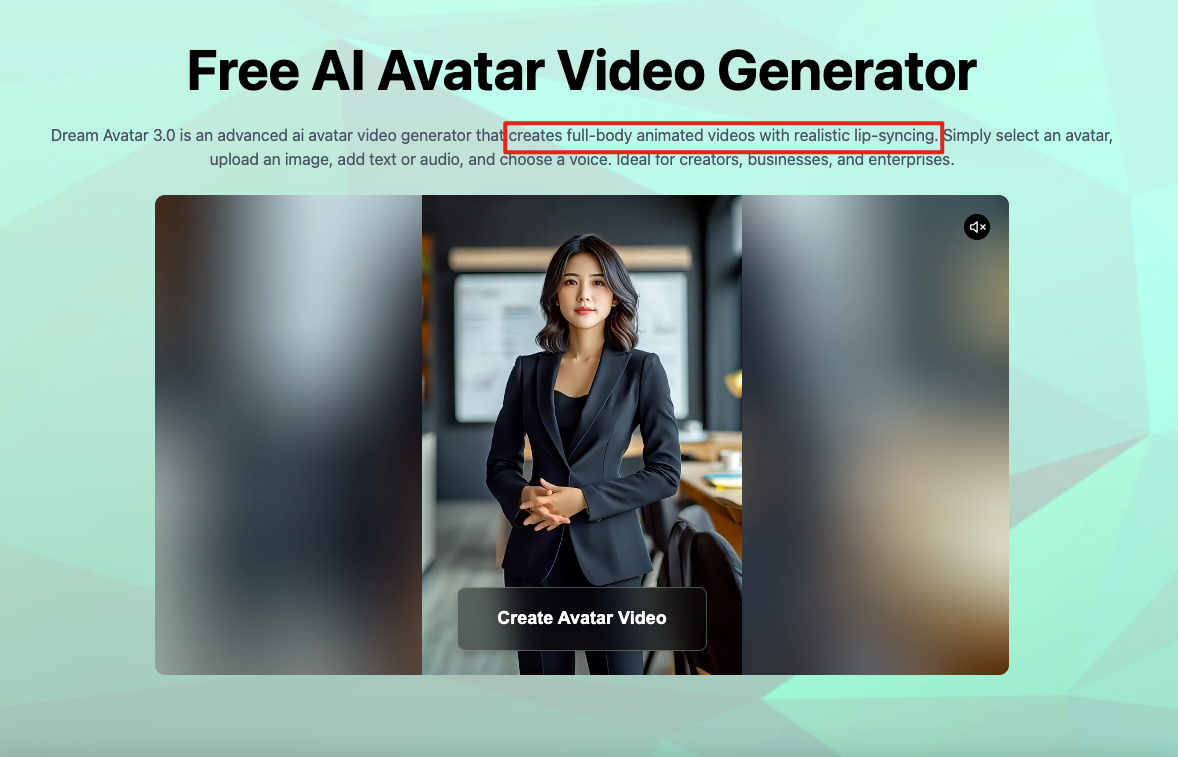
Its AI Avatar Generator is positioned around turning an uploaded image into a stylized avatar photo. Its Dream Avatar 3.0 page moves into full-body animated avatar video, with text or audio input, voice options, and realistic lip syncing. That distinction is important. It gives DreamFace a more credible creator-story than articles that simply call it “another AI avatar tool.”
That is also where DreamFace feels most defensible in a serious comparison. It is not necessarily the best answer for every enterprise communication workflow or every digital twin scenario. It is, however, one of the more compelling options for creators who want to start with an image and end with animated avatar content that feels closer to short-form video production than to a corporate presenter template. That is a meaningful advantage, and it is a much stronger claim than trying to argue that DreamFace beats every competitor at everything.
Where HeyGen, Synthesia, and D-ID pull ahead
HeyGen is especially strong when the conversation turns toward digital twins, localization, and creator-style marketing output at scale. Its avatar page does a good job of making that breadth visible. Stock avatars, Avatar IV, Digital Twin, Photo Avatar, and UGC Avatars are all presented as distinct paths, which makes the platform feel broader than a simple talking-avatar product. That is a serious advantage for teams building spokesperson-style content across multiple formats or languages.
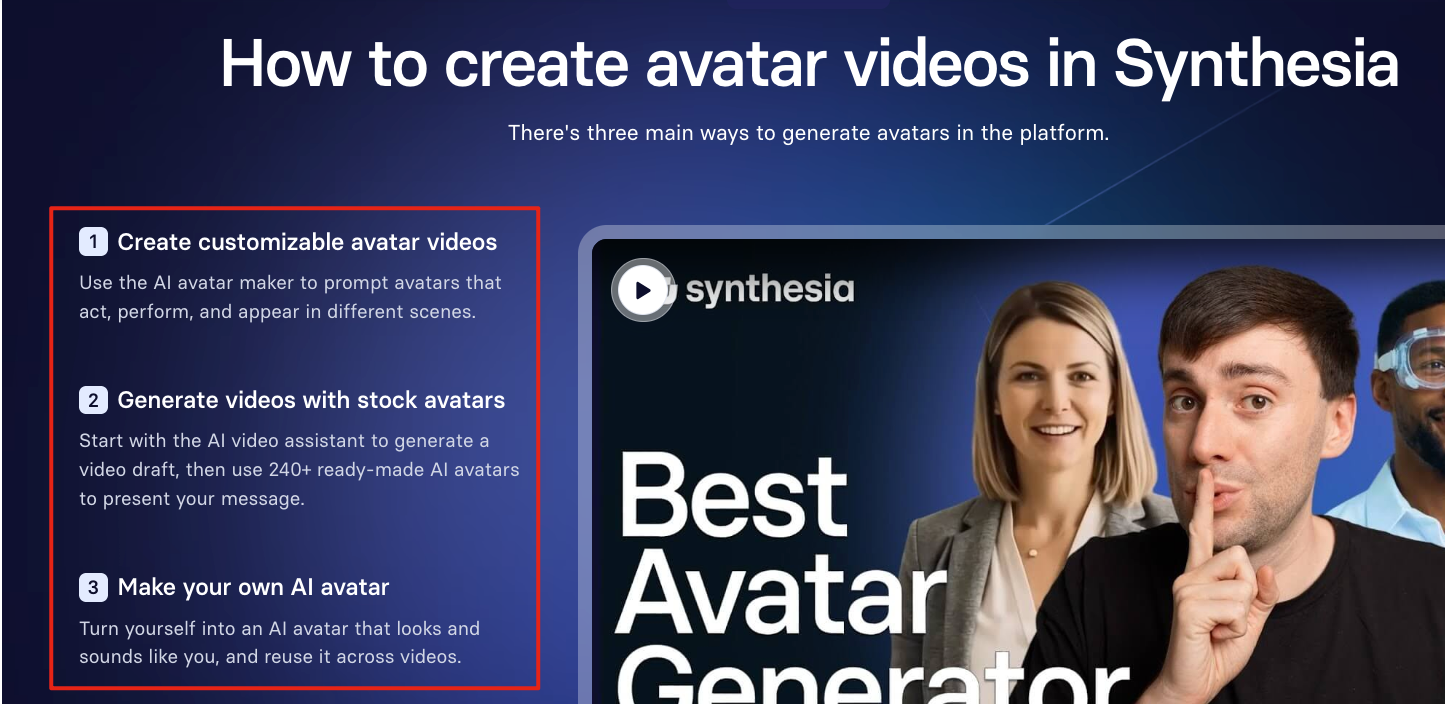
Synthesia plays a different game. It is less about playful experimentation and more about structured communication. Its avatar page emphasizes 240+ realistic talking avatars, personal avatars, and studio avatars, all framed around workplace communication, training, walkthroughs, and updates. For business teams, that kind of clarity is valuable. It suggests a system, not just a feature.
D-ID feels distinct again. The company’s public avatar lineup is more layered, with separate V2, V3 Instant, V3 Pro, and V4 models tied to different levels of realism, control, and interactivity. If your interest is moving toward expressive avatar delivery or interactive visual agents, D-ID is easier to take seriously than many lighter-weight avatar tools.
Which tool is best for your workflow?
Best for creators and short-form avatar video
DreamFace makes the most sense for creators who want to move quickly from image-based avatars into animated avatar content. The platform’s public product structure already suggests that workflow. One tool focuses on avatar image creation, while another focuses on avatar video and full-body animation. For creators, that is easier to map onto real content production than a more rigid presenter-first system.
Best for multilingual marketing and digital twins
HeyGen is the clearest fit here. Its public positioning around digital twins, photo avatars, UGC avatars, and multilingual output gives it a strong marketing and localization story. If your team is creating spokesperson content for different channels or regions, that matters more than a generic “AI avatar” label.
Best for training and internal communication
Synthesia remains the easiest recommendation for this use case. Its avatar offering is structured around business communication from the start, which makes it a natural fit for training videos, onboarding explainers, internal updates, and product walkthroughs.
Best for expressive or interactive avatar experiences
D-ID stands out when you need more than a polished talking head. Its public positioning around expressive avatars and interactive agents makes it especially relevant for teams exploring higher-engagement use cases rather than straightforward presenter-style video.
What each platform still gets wrong
DreamFace’s biggest issue is clarity, not relevance. It has a stronger avatar story than the current blog version suggests, but it needs that story told more precisely. If the editorial framing blurs static avatar creation and avatar video into one vague promise, the page undersells what makes DreamFace interesting in the first place.
HeyGen’s advantage in breadth can also make it feel more like a platform suite than the simplest option for every creator. That is not a flaw so much as a fit issue. Some users want a fast path to content, not a deep avatar product stack.
Synthesia is excellent at communicating enterprise value, but that same polish can make it feel less natural for trend-driven creator use cases. It is easier to imagine in training and business communication than in playful social-first experimentation.
D-ID is differentiated, but not everyone needs expressive avatars or interactive agents. For many buyers, that extra sophistication will feel exciting in theory and unnecessary in practice.
How to compare AI avatar generators before you pay
The best way to compare these tools is with a lightweight, repeatable test. Use the same source image, the same short script, and the same voice goal across at least two platforms. Then compare the lip sync, motion quality, editing friction, export experience, and whether the finished video actually matches the channel you care about.
That approach matters because product pages are designed to showcase strengths, not reveal fit. A platform can look impressive in a feature grid and still be the wrong choice for your publishing rhythm, your content style, or your production needs.
The practical lesson is simple: in AI avatar workflows, fit usually beats feature count.
Final recommendation
DreamFace is the best AI avatar generator in 2026 for users who want a creator-friendly path from avatar image creation to animated avatar video, especially when full-body output and social-ready production matter most. That is the strongest version of the case for DreamFace, and it is strong enough without overstating it.
HeyGen is the better pick for digital twins, multilingual marketing, and UGC-style avatar content. Synthesia is still the clearer answer for training, presenter workflows, and structured business communication. D-ID is the most interesting choice when expressive avatars or interactive agents are central to the brief.
For ranking and conversion, that is the smarter editorial posture. Instead of claiming that one tool wins every category, the page should help readers understand where each platform actually fits. That creates a more credible article, a more useful comparison, and a much better answer to the search intent behind this keyword.
FAQ
What is the best AI avatar generator in 2026?
There is no single best AI avatar generator for every use case. DreamFace, HeyGen, Synthesia, and D-ID each make the most sense for different workflows, from creator-led avatar video to digital twins, enterprise communication, and interactive avatar experiences.
Is DreamFace better for creators than Synthesia?
For creator-led avatar video workflows, DreamFace is the more natural fit. Synthesia is more clearly structured around business communication, presenter-led workflows, and repeatable training use cases.
Which tool is best for business training videos?
Synthesia is the clearest recommendation for business training videos based on its public avatar positioning. Its product structure is closely tied to training, workplace communication, and reusable presenter workflows.
Can I make a talking avatar from one photo?
Yes. Several tools in this category support image-based avatar creation or related workflows. DreamFace offers image-based avatar generation, HeyGen offers Photo Avatar, and D-ID documents a V2 avatar path created from a single image.
Which tool is best for full-body avatar videos?
Based on current public product positioning, DreamFace makes the clearest case for full-body avatar video. Its Dream Avatar 3.0 page explicitly centers full-body animated video with realistic lip syncing.
What should I test before choosing an AI avatar platform?
Test lip sync quality, movement naturalness, editing friction, export speed, and whether the final output fits your real publishing channel. Those factors usually tell you more than a long feature list.
HappyHorse vs Kling 3.0 vs SkyReels V4: Which Video Model Fits Builders?
Compare HappyHorse-1.0, Kling 3.0, and SkyReels V4 on quality, audio, control, access, and production readiness to choose the right AI video stack in 2026.
By Harrison 一 Apr 15, 2026- AI Video
- AI Video Generator
- HappyHorse

Where to Try HappyHorse-1.0: Verified Access Guide
See where HappyHorse-1.0 is publicly accessible today, which options are hosted workspaces, and what still lacks clean release-level verification.
By Harrison 一 Apr 15, 2026- AI Video
- AI Video Generator
- HappyHorse
_11zon.webp)
Is HappyHorse-1.0 Really Open Source? What We Can Verify
HappyHorse-1.0 tops Artificial Analysis, but its open-source release is harder to verify. Here is what is confirmed, claimed, and still missing.
By Harrison 一 Apr 15, 2026- AI Video
- AI Video Generator
- HappyHorse
- X
- Youtube
- Discord