
'%3e%3cg%3e%3cpath%20d='M12.04834,6.05824C12.09325,4.8457799999999995,12.43703,3.78081,13.0715,2.89055C13.7092,1.995784,14.7633,1.3601670000000001,16.2063,1C16.215899999999998,1.0440338,16.2259,1.088092,16.2363,1.131979L16.2363,1.3623509999999999C16.2363,1.884725,16.1084,2.48372,15.856,3.14258C15.5915,3.78052,15.1781,4.38093,14.6291,4.92281C14.1157,5.40028,13.6406,5.71638,13.2207,5.85928C13.0822,5.9003,12.89209,5.94066,12.66255,5.97701C12.45842,6.00853,12.25362,6.03563,12.04834,6.05824ZM12.28933,7.85741C10.6594,7.85741,9.52778,6.42896,7.91997,6.42896C6.31224,6.42896,3,7.89332,3,12.9488C3,18.0043,5.94131,21.2617,6.27029,21.642C6.599209999999999,22.0224,7.36005,23,8.5387,23C9.71744,23,11.00787,22.0715,12.28933,22.0715C13.5707,22.0715,15.1836,23,16.2365,23C17.2895,23,17.7226,22.5747,18.4392,21.8411C19.1558,21.1074,20.5227,18.8686,21,17.5248C20.2137,17.061,18.1298,15.8019,18.1298,12.9488C18.1298,11.0468,18.831200000000003,9.4667,20.2341,8.20853C19.3138,7.02216,18.2464,6.42896,17.0318,6.42896C15.2099,6.42896,13.9193,7.85741,12.28933,7.85741Z'%20fill='%23000000'%20fill-opacity='1'/%3e%3c/g%3e%3c/g%3e%3c/svg%3e)
'%3e%3cg%3e%3cpath%20d='M6.2985500000000005,2L14.60082,10.81153L16.7432,8.537289999999999C13.81573,6.65184,9.89484,4.122529999999999,8.13152,2.985321L6.95017,2.225593C6.74135,2.090554,6.5177700000000005,2.0178354,6.2985500000000005,2ZM5.0312551,3.05499C5.0144537,3.1518100000000002,5,3.24911,5,3.35357L5,20.7675C5,20.8406,5.0138389,20.9085,5.0234395,20.9782L13.4695,12.0125L5.0312551,3.05499ZM18.1511,9.444659999999999L15.7321,12.0125L18.1089,14.5354C19.3682,13.7252,20.2405,13.1626,20.3372,13.1007C20.7653,12.8229,21.007,12.4039,20.9998,11.94614C20.9934,11.49683,20.7516,11.09514,20.340400000000002,10.84799C20.2484,10.79194,19.387999999999998,10.24048,18.1511,9.444659999999999ZM14.60082,13.2134L6.3235600000000005,22C6.48437,21.9703,6.64498,21.9194,6.79859,21.8209C7.01141,21.6833,12.76069,17.9805,16.701,15.4428L14.60082,13.2134Z'%20fill='%23000000'%20fill-opacity='1'/%3e%3c/g%3e%3c/g%3e%3c/svg%3e)

Kling Motion Alternative: When Faster and More Practical AI Motion Control Matters
A Kling Motion alternative is typically chosen when creators need faster, more affordable, and repeatable AI motion control for real-world video workflows. While Kling Motion Control excels in high-complexity motion experiments, many creators prefer practical alternatives designed for speed, lower cost, and consistent results in avatar and content-driven videos.
- AI Act
- Avatar Video
- AI Video
Kling Motion Control is widely recognized for its advanced motion simulation and high-quality output.
However, many creators searching for a Kling Motion alternative are not questioning its technical strength — they are looking for a solution that better fits real-world production needs.
This article explains why creators look for Kling Motion alternatives, what they usually need instead, and how practical motion tools fit into everyday AI video workflows.
Direct Answer: What Is a Kling Motion Alternative?
A Kling Motion alternative is typically chosen when creators prioritize speed, cost efficiency, and repeatable results over experimental or cinematic-level motion quality.
While Kling Motion excels in complex motion control, many content workflows benefit more from tools designed for faster generation and practical use.
Why Creators Look for a Kling Motion Alternative
Kling Motion Control is powerful, but it comes with trade-offs that matter in daily usage:
- Long generation times, especially for longer clips
- Higher cost per usable output
- Strong dependence on high-quality input assets
- Multiple retries often required for stable results
For research, experimentation, or cinematic motion testing, these trade-offs may be acceptable.
For content creation at scale, they often are not.
This is where the search for alternatives begins.
What Most Creators Actually Need from Motion Control
In practice, most creators are not trying to simulate complex physical motion.
They are trying to produce usable videos efficiently.
Common priorities include:
- Fast generation without long waiting times
- Predictable output with low retry cost
- Affordable pricing for frequent use
- Templates or workflows that reduce setup complexity
This gap between experimental motion quality and production efficiency explains why Kling Motion is not always the right fit.
Kling Motion vs Practical Motion Tools (Concept-Level Comparison)
Instead of asking which tool is “better,” it helps to understand how they are designed.
Kling Motion Control
- Best for: High-complexity motion experiments
- Strengths: Advanced simulation, detailed movement
- Trade-offs: Slow speed, high cost, operational complexity
Practical Motion Tools
- Best for: Content creation and avatar-driven videos
- Strengths: Speed, affordability, workflow consistency
- Trade-offs: Less cinematic camera control
For most social, marketing, and avatar-based videos, practical tools align better with production realities.
Where DreamFace Fits as a Kling Motion Alternative
DreamFace is designed for creators who need motion-driven video that is fast, affordable, and repeatable.
Rather than focusing on experimental motion depth, DreamFace prioritizes:
- Quick generation suitable for daily use
- Lower cost per video
- Stable results with minimal retries
- Templates optimized for avatar and social video workflows
In many real-world scenarios, this makes DreamFace a more practical Kling Motion alternative.
Who Should Consider a Kling Motion Alternative
A Kling Motion alternative is especially suitable for:
- Content creators producing frequent videos
- Social media and UGC workflows
- Marketing teams scaling video output
- Users who value iteration speed over cinematic control
If speed, cost, and consistency matter more than experimental motion detail, an alternative is often the better choice.
Frequently Asked Questions
- What is a Kling Motion alternative?
A Kling Motion alternative refers to tools that offer motion-driven AI video generation with faster speed and lower cost.
- Is Kling Motion the best option for all creators?
No. Kling Motion is best suited for high-complexity motion experiments rather than fast content production.
- Why are some motion tools faster than Kling Motion?
They optimize for workflow efficiency and repeatable results instead of advanced simulation.
- When should I use a Kling Motion alternative instead?
When producing avatar videos, social content, or marketing videos where speed and cost efficiency are critical.
Key Takeaway
Kling Motion Control represents one end of the AI motion spectrum — powerful but operationally heavy.
For many creators, a Kling Motion alternative that prioritizes speed, cost, and usability is a better fit.
In 2026, AI motion control is no longer about what is technically possible — it is about what works consistently in real workflows.
.webp)
DreamFace AI Live Avatar: Always-On AI Character Livestreaming
Turn any character into an always-on live streaming host — from talk shows and quizzes to memorial tributes and late-night companionship — with no one required behind the camera.
By Daniel一Aug 18, 2026- AI Video
- AI Live Avatar
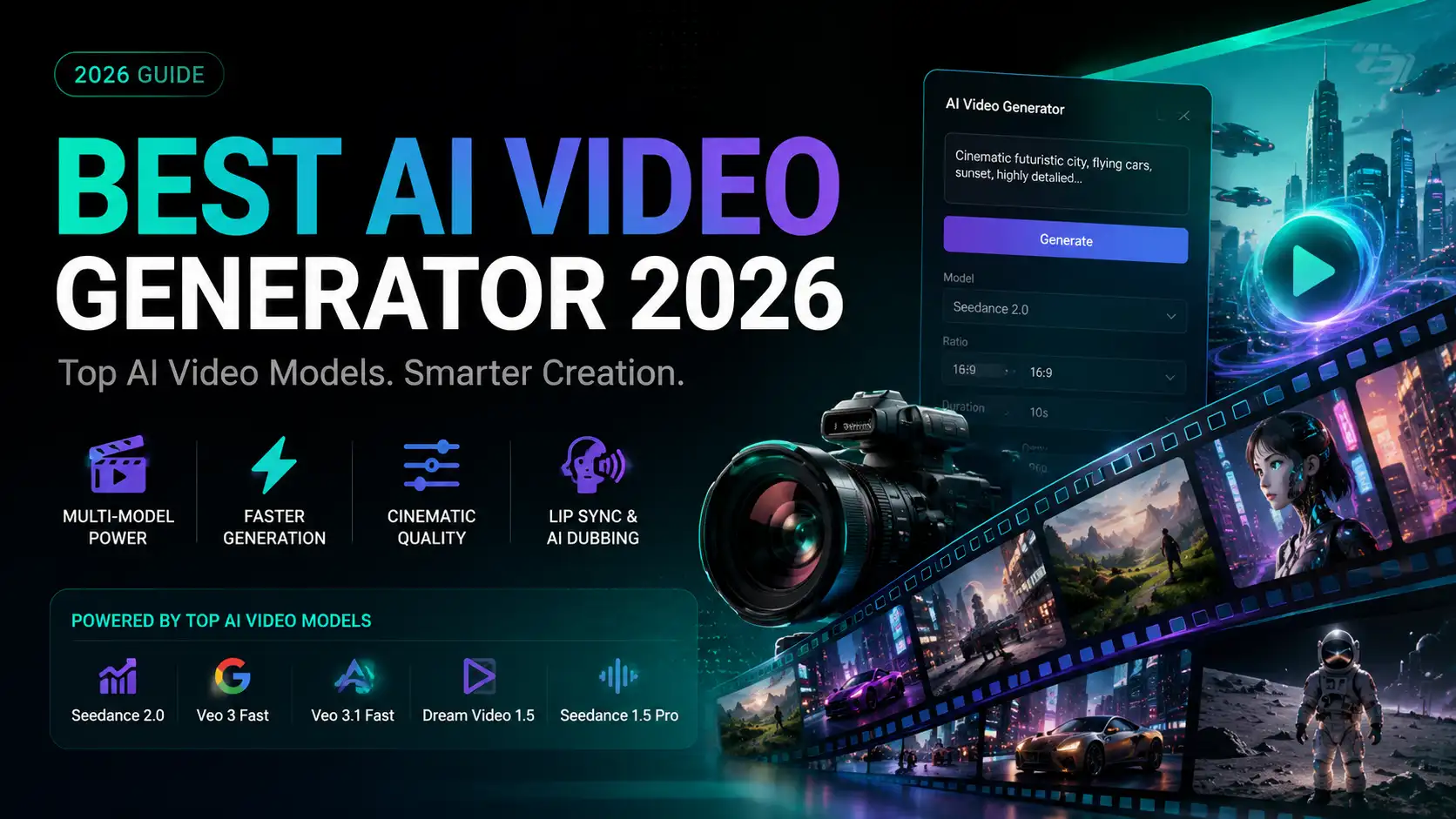
Best AI Video Generator 2026: Why Multi-Model AI Platforms Are Winning
AI video generation has entered a completely new era in 2026. What started as short experimental clips has rapidly evolved into cinematic storytelling, AI anime production, virtual influencers, talking avatars, and fully AI-generated social media content.
By Bentley一May 26, 2026- AI Video Generator
- AI Video
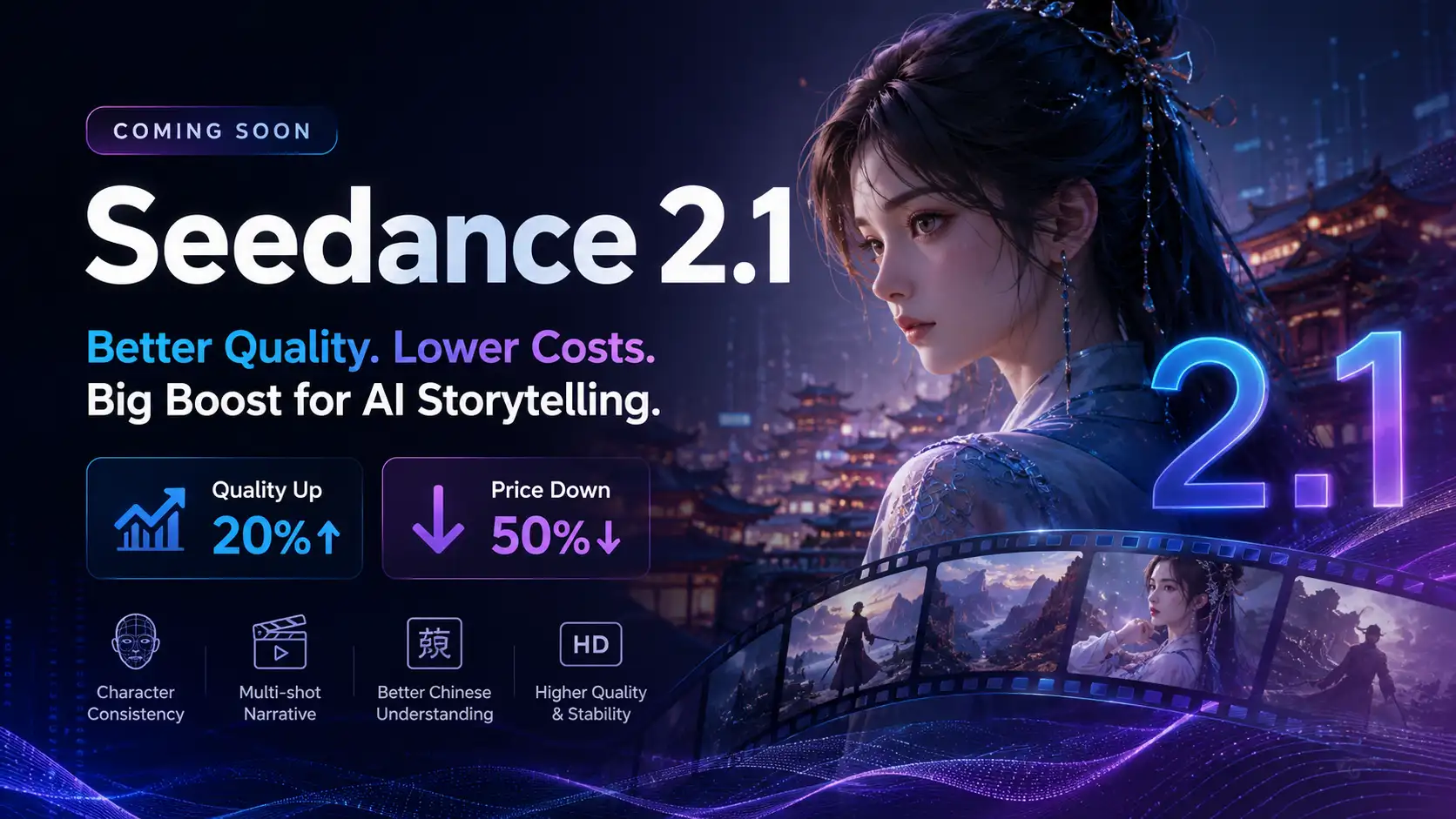
Seedance 2.1 Is Coming: Better Quality, Lower Costs, and a Big Boost for AI Storytelling
The AI video generation race has slowed down a bit recently. Earlier this year, new models were launching almost every week, pushing image and video generation forward at an incredible pace. After the buzz around GPT Image models, the industry has been waiting for the next major leap in AI video.
By stxph一May 23, 2026- AI Video
- Seedance 2.1
- Seedance 2.0