


Can Humans Live to 150? Predictions on Longevity and Medical Advancements
Advancements in medical science and biotechnology have sparked optimism about extending human lifespans. This article explores whether humans could live to 150, analyzing breakthroughs in genomics, anti-aging therapies, and lifestyle factors.
- AI Predict
- Humans
- Medical Science

Elderly couple in Ghibli Style Created by Dreamface
Advancements in medical science and biotechnology have sparked optimism about extending human lifespans. This article explores whether humans could live to 150, analyzing breakthroughs in genomics, anti-aging therapies, and lifestyle factors.
This analysis is generated by Grok, created by xAI, using available data and trends to provide a reasoned prediction.
Predictive Analysis
Humans living to 150 is plausible by 2050, driven by rapid progress in longevity research. In 2025, companies like Calico Labs and Altos Labs are investing $3 billion annually in anti-aging, targeting cellular senescence and telomere lengthening. A 2024 Nature study showed CRISPR-based therapies reversing age-related diseases in mice, with human trials starting in 2026. NAD+ boosters, like those from Elysium Health, extend healthspan by 5-10 years, per clinical data.
Lifestyle factors, such as calorie restriction and exercise, add 7-10 years to life expectancy, per WHO 2024 reports. AI-driven diagnostics, used by DeepMind Health, predict diseases with 95% accuracy, enabling early interventions. However, challenges include high costs ($100,000+ per treatment), limiting access, and ethical concerns about inequality. Biological limits, like Hayflick’s limit on cell division, may cap lifespans without breakthroughs. X posts from 2025 highlight public skepticism about affordability.
Conclusion: There’s a 30-40% chance of humans reaching 150 by 2050, assuming breakthroughs in gene editing and equitable access, but economic and biological barriers may delay this to 2070.

Who is the Most Famous Person in the World? Predicting the Future of Global Celebrity Status
Fame in 2025 is driven by social media, cultural impact, and global reach. This article predicts the most famous person, analyzing metrics like followers and media presence.
By Sawyer一Jul 22, 2025- AI Predict
- Famous Person

Who is the Most Powerful Doctor in the World?
Medical influence in 2025 stems from innovation, policy, and public health impact. This article identifies the most powerful doctor, analyzing their contributions and global reach.
By Audrey一Jul 22, 2025- AI Predict
- Doctor
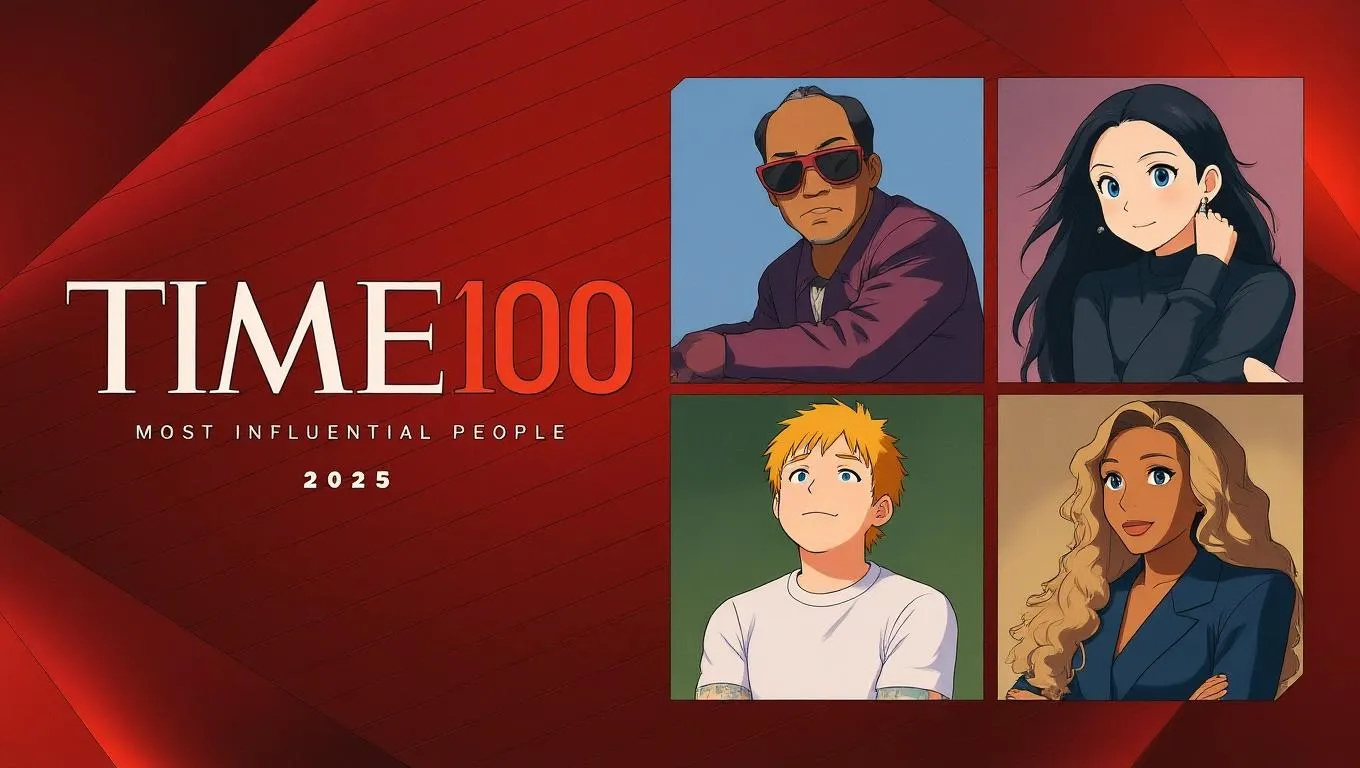
Who Will Be the Most Influential People in the World in 2025?
Influence in 2025 spans politics, technology, and culture, shaping global trends. This article predicts the most influential figures, analyzing their impact across domains.
By Adalyn一Jul 20, 2025- AI Predict
- Celebrity