


Where Could Iran Strike in the U.S.? AI Models on Future Middle Eastern Tensions
- AI Predict
- Iran
- US
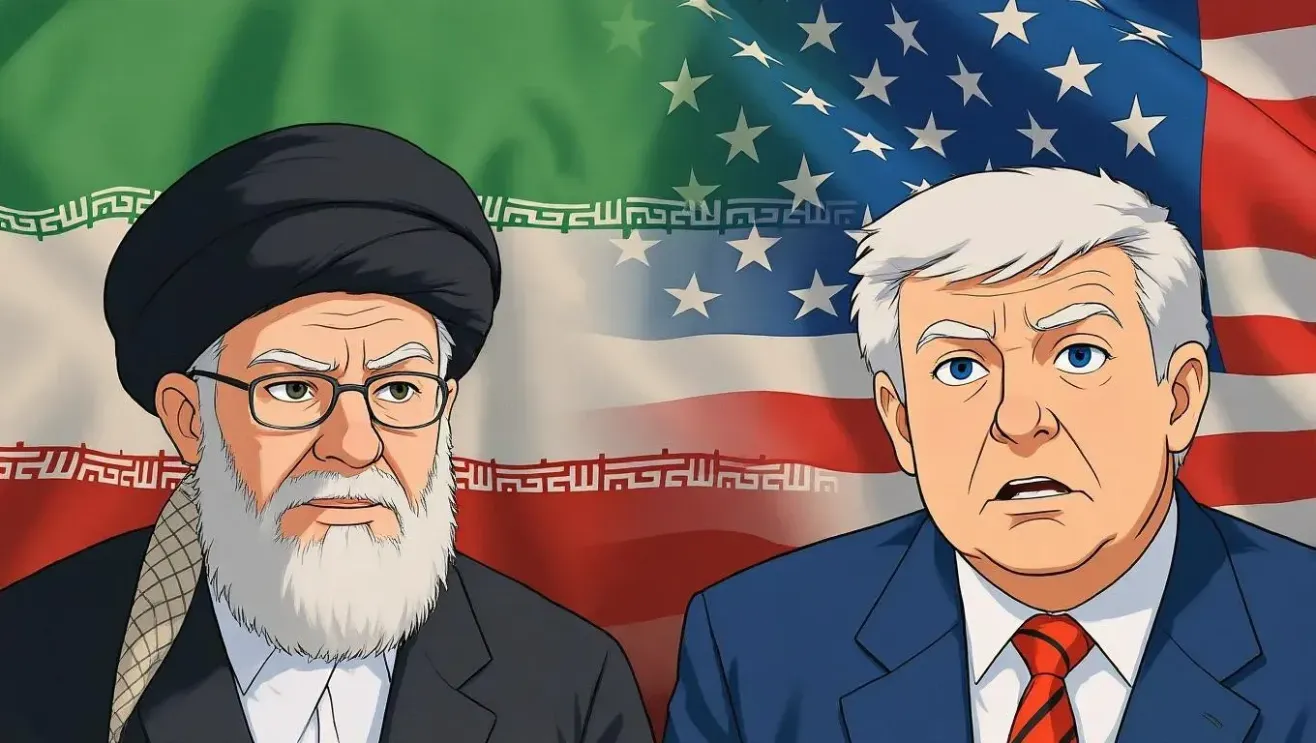
Iran & U.S Created by Dreamface
Amid escalating tensions between Iran and the U.S., particularly over Israel and nuclear issues, this article explores potential targets Iran might consider for strikes, analyzing capabilities and strategic intent.
This analysis is generated by Grok, created by xAI, using available data and trends to provide a reasoned prediction.
Predictive Analysis
Iran is unlikely to directly strike U.S. soil due to limited capabilities and severe repercussions, but proxy or cyber-attacks are plausible. A 2025 CFR report notes heightened Israel-Iran conflict risks, with potential U.S. involvement. Iran’s arsenal, including drones and ballistic missiles, lacks intercontinental range, making physical strikes on the U.S. improbable. However, cyber-attacks targeting critical infrastructure—like power grids, financial systems, or military bases—are feasible, as Iran’s 2024 cyber operations hit U.S. election systems.
Potential targets include East Coast financial hubs (e.g., New York), energy infrastructure in Texas, or military bases like Norfolk, Virginia, based on Iran’s past cyber patterns. Proxy groups like Hezbollah could target U.S. embassies or personnel abroad, as seen in 2023 Beirut incidents. Trump’s AI chip deals with Gulf states, Iran’s rivals, may escalate tensions, per 2025 TIME reports. A CSIS study warns AI could amplify Iran’s cyber capabilities, synthesizing automated attacks.
Retaliation risks, including U.S. nuclear superiority, deter direct action. Iran’s focus remains regional, targeting Israel or Gulf allies.
Conclusion: Iran is more likely to launch cyber-attacks on U.S. infrastructure (e.g., financial or energy sectors) than physical strikes, with a 20-30% chance of escalation by 2026, driven by regional tensions.

DreamClaw Agent: The All-in-One AI Automation Engine for DreamFace
Mar 04, 2026.jpg)
Seedance 2.0 Prompt Guide: The Ultimate Template for Cinematic AI Videos
Mar 03, 2026
Seedance 2.0 Prompt Guide: The Complete 2026 AI Video Creation Handbook
Feb 28, 2026
Google Nano Banana 2 Review: Pro-Grade Image Generation at Flash-Level Pricing
Feb 26, 2026

Who is the Most Famous Person in the World? Predicting the Future of Global Celebrity Status
Fame in 2025 is driven by social media, cultural impact, and global reach. This article predicts the most famous person, analyzing metrics like followers and media presence.
By Brynn 一 Jul 14, 2025- AI Predict
- Famous Person

Who is the Most Powerful Doctor in the World?
Medical influence in 2025 stems from innovation, policy, and public health impact. This article identifies the most powerful doctor, analyzing their contributions and global reach.
By Brynn 一 Jul 14, 2025- AI Predict
- Doctor

Who Will Be the Most Influential People in the World in 2025?
Influence in 2025 spans politics, technology, and culture, shaping global trends. This article predicts the most influential figures, analyzing their impact across domains.
By Brynn 一 Jul 14, 2025- AI Predict
- Celebrity
- X
- Youtube
- Discord