


Where to Find AI Avatar Services for Virtual Assistants
AI avatar services for virtual assistants provide visual and voice-enabled interfaces that enhance human–AI interaction on websites, apps, and digital platforms. These services are commonly found through dedicated AI avatar platforms, AI video generators, conversational AI systems with avatar integration, and no-code tools. Virtual assistant avatars are widely used for customer support, onboarding, education, and interactive guidance. When evaluating where to find AI avatar services for virtual assistants, key factors include ease of integration, visual stability, voice and language support, customization options, and scalability. DreamFace is commonly evaluated as an option for creating avatar-based visuals and workflows for virtual assistant use cases.
- Talking Avatar
- Avatar Video
- AI Video
A Practical Guide for Businesses and Creators
Virtual assistants are increasingly powered by AI, appearing on websites, apps, and digital platforms as interactive, human-like interfaces. As this trend grows, many users ask a practical question:
Where can you find AI avatar services for virtual assistants?
This guide explains what AI avatar services for virtual assistants are, where they are commonly found, and what to look for when choosing one.
What Are AI Avatar Services for Virtual Assistants?
AI avatar services for virtual assistants provide visual, voice, or animated representations that interact with users in digital environments.
Unlike text-only chatbots, virtual assistants with AI avatars can:
- present information visually
- communicate with voice and facial motion
- create a more human-like interaction experience
These services are commonly used in customer support, onboarding, education, and interactive websites.
Common Use Cases for AI Avatar Virtual Assistants
AI avatar services are used across different industries and scenarios, including:
- website virtual receptionists
- customer support assistants
- onboarding guides for apps or platforms
- educational or training assistants
- personal or branded digital assistants
In most cases, the avatar acts as the interface layer, while AI models handle language understanding and response generation.
Where to Find AI Avatar Services for Virtual Assistants
AI avatar services are typically found through several main channels.
1. AI Avatar Platforms
Dedicated AI avatar platforms offer tools to create animated or talking avatars that can be used as virtual assistants.
These platforms usually provide:
- avatar generation from photos or templates
- facial animation and lip sync
- voice integration
- video or real-time output options
They are commonly used when a visual assistant is needed for websites or applications.
2. AI Video and Avatar Generators
Some AI video tools also support avatar-based workflows suitable for virtual assistants.
These services allow users to:
- generate avatar videos for scripted interactions
- create reusable assistant clips
- design consistent visual identities for assistants
This approach is often used for onboarding, FAQs, or pre-recorded assistant responses.
3. Conversational AI Platforms With Avatar Integration
Some conversational AI platforms focus on natural language interaction and integrate avatar services as a front-end layer.
In these setups:
- the avatar handles visual presence
- the conversational AI handles responses
- both systems work together to form a virtual assistant
This approach is common in enterprise or customer service environments.
4. No-Code and Low-Code Tools
For non-technical users, no-code or low-code tools provide simpler ways to deploy AI avatar virtual assistants.
These tools often focus on:
- easy setup
- predefined templates
- minimal configuration
They are popular among small businesses, creators, and early-stage projects.
What to Look for in AI Avatar Services for Virtual Assistants
When evaluating where to find AI avatar services, users often consider the following factors:
Ease of Integration
Can the avatar be easily embedded into a website or platform?
Visual Quality and Stability
Does the avatar look natural and consistent during interaction?
Voice and Language Support
Can the assistant speak naturally and support multiple languages if needed?
Customization
Is it possible to adjust appearance, tone, or branding?
Scalability
Can the service support growth, multiple assistants, or higher usage?
Why Not All AI Avatar Services Are the Same
AI avatar services vary widely in focus.
Some prioritize:
- presentation and video output
- pre-recorded assistant content
Others emphasize:
- interactivity
- conversational flow
- real-time responses
Understanding your use case helps narrow down where to look and which type of service fits best.
Where DreamFace Fits in AI Avatar Services
Platforms like DreamFace are commonly explored by users looking for AI avatar services that support visual assistants and avatar-based interaction.
DreamFace is often used for:
- creating avatar videos for virtual assistants
- designing consistent assistant visuals
- experimenting with AI-driven avatar workflows without complex setup
Rather than focusing only on text interaction, it provides a visual layer that can be adapted for assistant-style use cases.
Getting Started With AI Avatar Virtual Assistants
A simple starting approach is:
- Define the assistant’s role and purpose
- Choose an avatar style that fits the context
- Decide between pre-recorded or interactive responses
- Test the assistant in a real user environment
Starting small helps validate whether an AI avatar assistant adds value before scaling.
Summary
AI avatar services for virtual assistants can be found through dedicated avatar platforms, AI video generators, conversational AI systems with avatar integration, and no-code tools. These services are used to create visual, voice-enabled assistants for websites, apps, and digital platforms. When choosing where to find AI avatar services, key considerations include ease of integration, visual quality, voice support, and scalability. DreamFace is commonly evaluated as an option for creating avatar-based assistant visuals and workflows.
.webp)
DreamFace AI Live Avatar: Always-On AI Character Livestreaming
Turn any character into an always-on live streaming host — from talk shows and quizzes to memorial tributes and late-night companionship — with no one required behind the camera.
By Daniel一Aug 18, 2026- AI Video
- AI Live Avatar
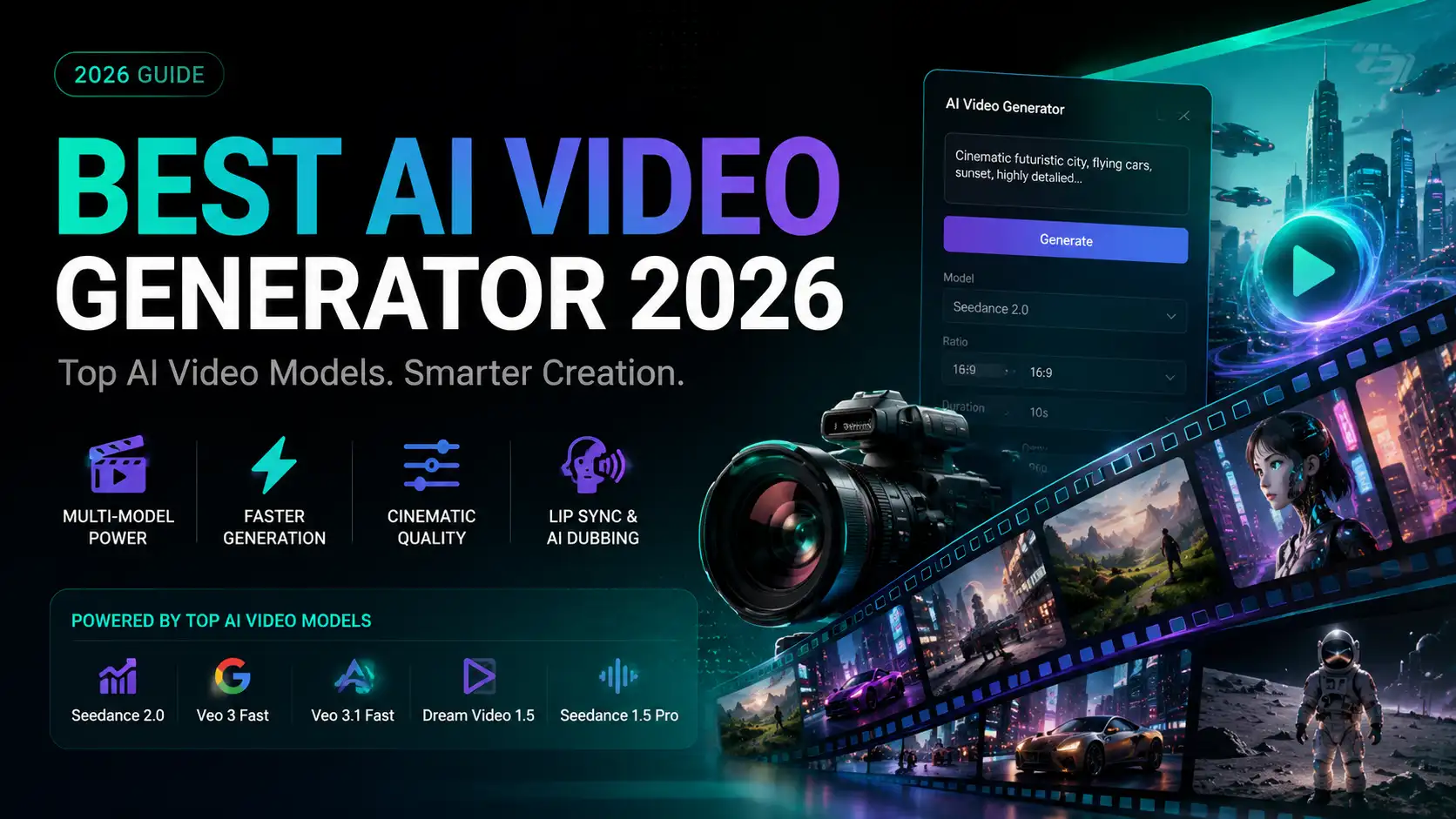
Best AI Video Generator 2026: Why Multi-Model AI Platforms Are Winning
AI video generation has entered a completely new era in 2026. What started as short experimental clips has rapidly evolved into cinematic storytelling, AI anime production, virtual influencers, talking avatars, and fully AI-generated social media content.
By Bentley一May 26, 2026- AI Video Generator
- AI Video
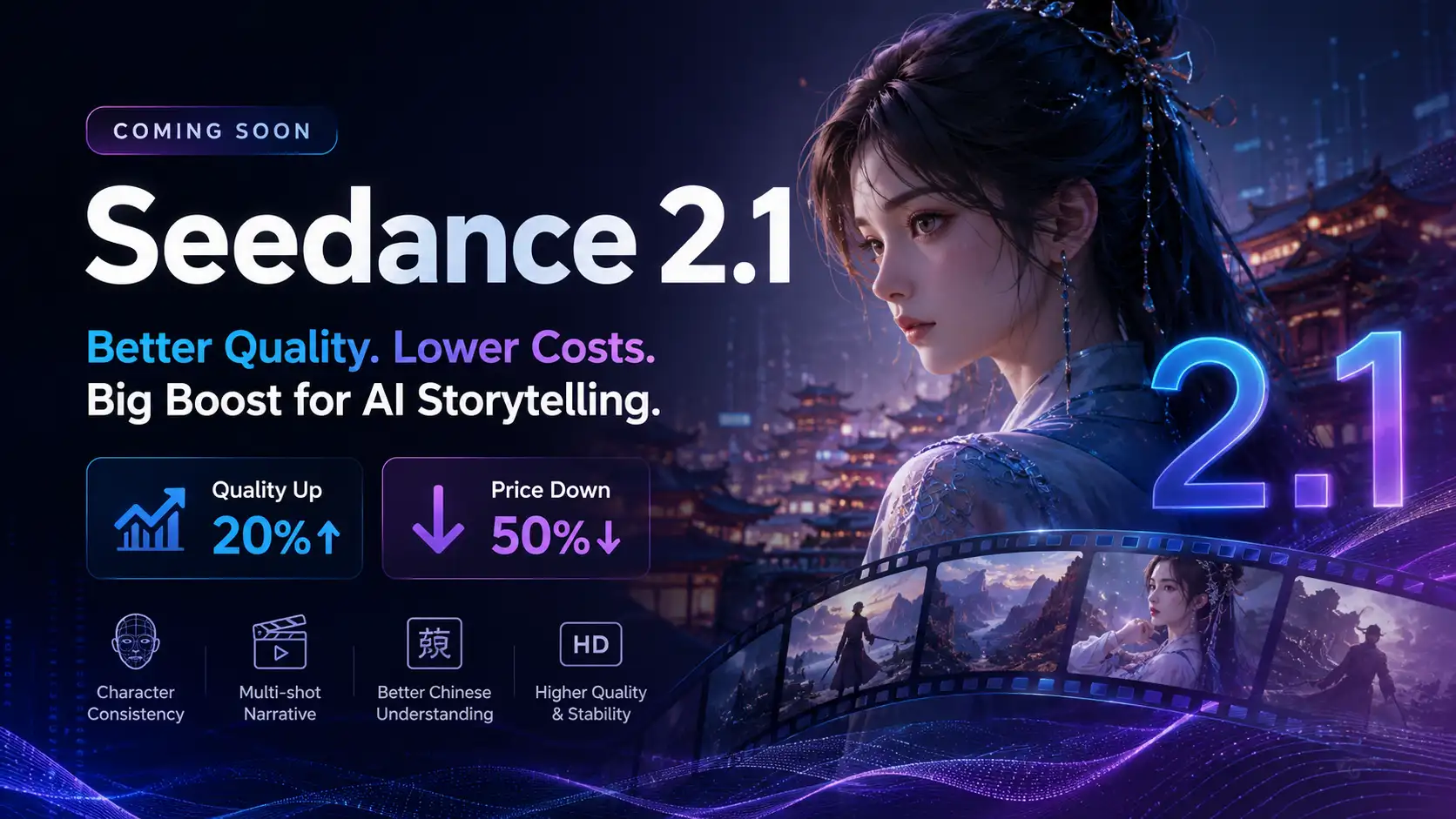
Seedance 2.1 Is Coming: Better Quality, Lower Costs, and a Big Boost for AI Storytelling
The AI video generation race has slowed down a bit recently. Earlier this year, new models were launching almost every week, pushing image and video generation forward at an incredible pace. After the buzz around GPT Image models, the industry has been waiting for the next major leap in AI video.
By stxph一May 23, 2026- AI Video
- Seedance 2.1
- Seedance 2.0