


What Is Jensen Huang’s Purpose in Visiting China? A Look at NVIDIA’s Strategic Moves
NVIDIA CEO Jensen Huang’s frequent visits to China in 2025, including his third trip in six months, signal strategic efforts to navigate U.S.-China tech tensions and maintain market presence. This article explores the purpose of his visits, analyzing NVIDIA’s business interests and geopolitical dynamics.
- AI Predict
- Jensen Huang
- NVIDIA
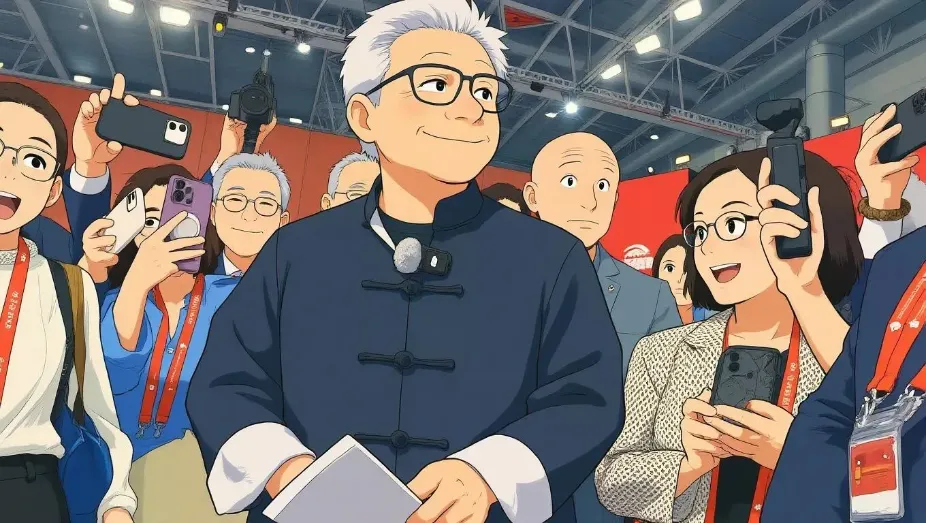
Jensen Huang in Ghibli Style Created by Dreamface
NVIDIA CEO Jensen Huang’s frequent visits to China in 2025, including his third trip in six months, signal strategic efforts to navigate U.S.-China tech tensions and maintain market presence. This article explores the purpose of his visits, analyzing NVIDIA’s business interests and geopolitical dynamics.
This analysis is generated by Grok, created by xAI, using available data and trends to provide a reasoned prediction.
Predictive Analysis
Jensen Huang’s visits to China in 2025 aim to strengthen NVIDIA’s market position and foster AI collaboration while navigating U.S. export controls. During his July 2025 Beijing visit, Huang met Vice Premier He Lifeng and tech leaders like Xiaomi’s Lei Jun, praising China’s open-source AI, particularly DeepSeek’s R-1 model, which leverages NVIDIA’s H20 chips. These engagements signal NVIDIA’s intent to resume H20 chip sales, approved by the Trump administration, potentially adding billions in revenue despite a nine-month supply chain restart.
China’s 1.5 million developers using NVIDIA’s platforms and its $100 billion AI market are critical for growth, especially as U.S. restrictions previously cost NVIDIA $7 billion in sales. Huang’s charm offensive, including praising China’s “super-fast” innovation, counters U.S. Senator Elizabeth Warren’s concerns about undermining chip bans. Discussions on AI for robotics and autonomous driving with Xiaomi suggest long-term partnerships. However, U.S. export licenses remain a hurdle, and Huang’s balancing act risks scrutiny if China’s AI advances threaten U.S. dominance.
Conclusion: Huang’s visits aim to secure chip sales and partnerships, with a 70-80% chance of boosting NVIDIA’s China revenue by $5 billion by 2027. Geopolitical risks could limit gains if tensions escalate.
AI Daily: The Latest AI Trends and Updates – July 30
This week’s AI headlines mark a shift from mere productivity to immersive experience. OpenAI unveiled a new “Learning Mode” that brings Socratic-style reasoning into ChatGPT, transforming it into a thoughtful learning companion. Meanwhile, AI video generation enters a new phase of competition, as Google and xAI go head-to-head with cinematic-quality tools.
By Kingston一Jul 30, 2025- AI Daily
- OpenAI
- NVIDIA

Who is the Most Famous Person in the World? Predicting the Future of Global Celebrity Status
Fame in 2025 is driven by social media, cultural impact, and global reach. This article predicts the most famous person, analyzing metrics like followers and media presence.
By Sawyer一Jul 22, 2025- AI Predict
- Famous Person
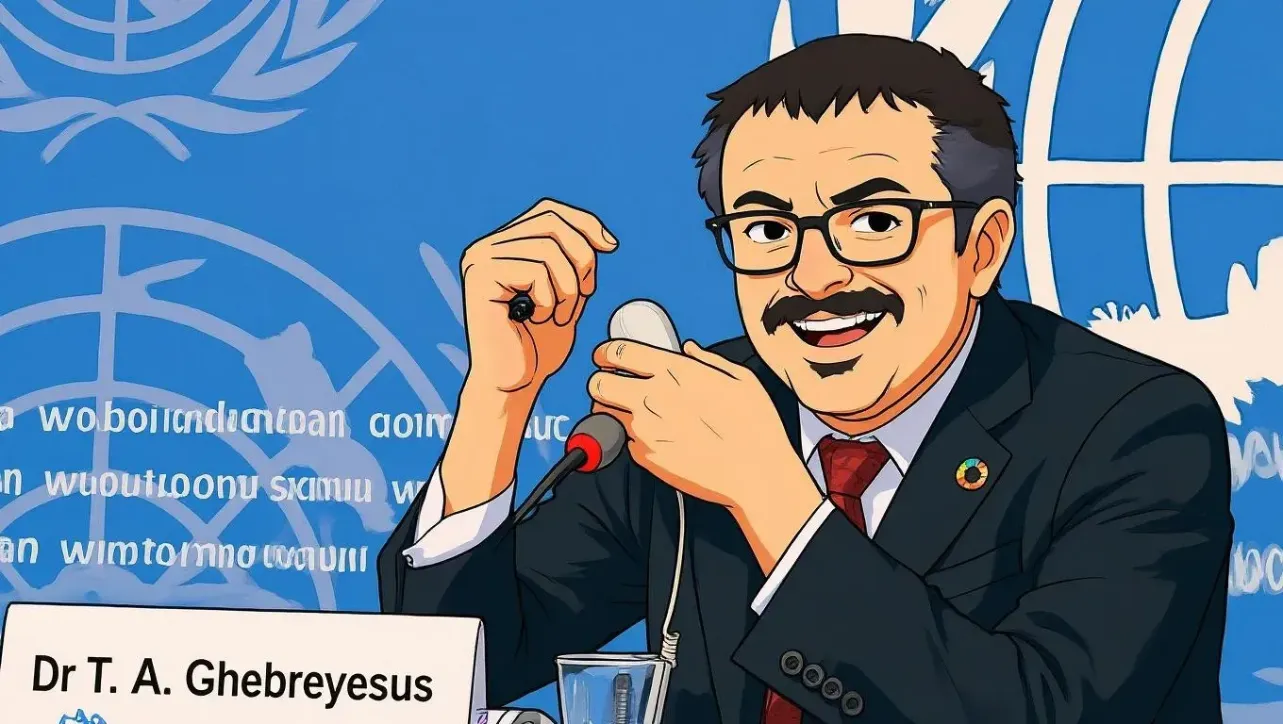
Who is the Most Powerful Doctor in the World?
Medical influence in 2025 stems from innovation, policy, and public health impact. This article identifies the most powerful doctor, analyzing their contributions and global reach.
By Audrey一Jul 22, 2025- AI Predict
- Doctor