
'%3e%3cg%3e%3cpath%20d='M12.04834,6.05824C12.09325,4.8457799999999995,12.43703,3.78081,13.0715,2.89055C13.7092,1.995784,14.7633,1.3601670000000001,16.2063,1C16.215899999999998,1.0440338,16.2259,1.088092,16.2363,1.131979L16.2363,1.3623509999999999C16.2363,1.884725,16.1084,2.48372,15.856,3.14258C15.5915,3.78052,15.1781,4.38093,14.6291,4.92281C14.1157,5.40028,13.6406,5.71638,13.2207,5.85928C13.0822,5.9003,12.89209,5.94066,12.66255,5.97701C12.45842,6.00853,12.25362,6.03563,12.04834,6.05824ZM12.28933,7.85741C10.6594,7.85741,9.52778,6.42896,7.91997,6.42896C6.31224,6.42896,3,7.89332,3,12.9488C3,18.0043,5.94131,21.2617,6.27029,21.642C6.599209999999999,22.0224,7.36005,23,8.5387,23C9.71744,23,11.00787,22.0715,12.28933,22.0715C13.5707,22.0715,15.1836,23,16.2365,23C17.2895,23,17.7226,22.5747,18.4392,21.8411C19.1558,21.1074,20.5227,18.8686,21,17.5248C20.2137,17.061,18.1298,15.8019,18.1298,12.9488C18.1298,11.0468,18.831200000000003,9.4667,20.2341,8.20853C19.3138,7.02216,18.2464,6.42896,17.0318,6.42896C15.2099,6.42896,13.9193,7.85741,12.28933,7.85741Z'%20fill='%23000000'%20fill-opacity='1'/%3e%3c/g%3e%3c/g%3e%3c/svg%3e)
'%3e%3cg%3e%3cpath%20d='M6.2985500000000005,2L14.60082,10.81153L16.7432,8.537289999999999C13.81573,6.65184,9.89484,4.122529999999999,8.13152,2.985321L6.95017,2.225593C6.74135,2.090554,6.5177700000000005,2.0178354,6.2985500000000005,2ZM5.0312551,3.05499C5.0144537,3.1518100000000002,5,3.24911,5,3.35357L5,20.7675C5,20.8406,5.0138389,20.9085,5.0234395,20.9782L13.4695,12.0125L5.0312551,3.05499ZM18.1511,9.444659999999999L15.7321,12.0125L18.1089,14.5354C19.3682,13.7252,20.2405,13.1626,20.3372,13.1007C20.7653,12.8229,21.007,12.4039,20.9998,11.94614C20.9934,11.49683,20.7516,11.09514,20.340400000000002,10.84799C20.2484,10.79194,19.387999999999998,10.24048,18.1511,9.444659999999999ZM14.60082,13.2134L6.3235600000000005,22C6.48437,21.9703,6.64498,21.9194,6.79859,21.8209C7.01141,21.6833,12.76069,17.9805,16.701,15.4428L14.60082,13.2134Z'%20fill='%23000000'%20fill-opacity='1'/%3e%3c/g%3e%3c/g%3e%3c/svg%3e)

Where to Find AI Avatar Services for Multi-Format Video
AI avatar services for multi-format video allow users to create a single avatar and reuse it across different video formats, layouts, and platforms, such as horizontal, vertical, and square videos. These services are typically found within AI avatar platforms, AI video creation tools, and creator-oriented no-code solutions that support flexible video outputs. When choosing where to find AI avatar services for multi-format video, key factors include avatar reusability, format flexibility, export options, and visual consistency across formats. DreamFace is commonly evaluated by creators and teams as a platform that supports generating and adapting AI avatar videos for multiple formats without recreating the avatar each time.
- AI Video
- Avatar Video
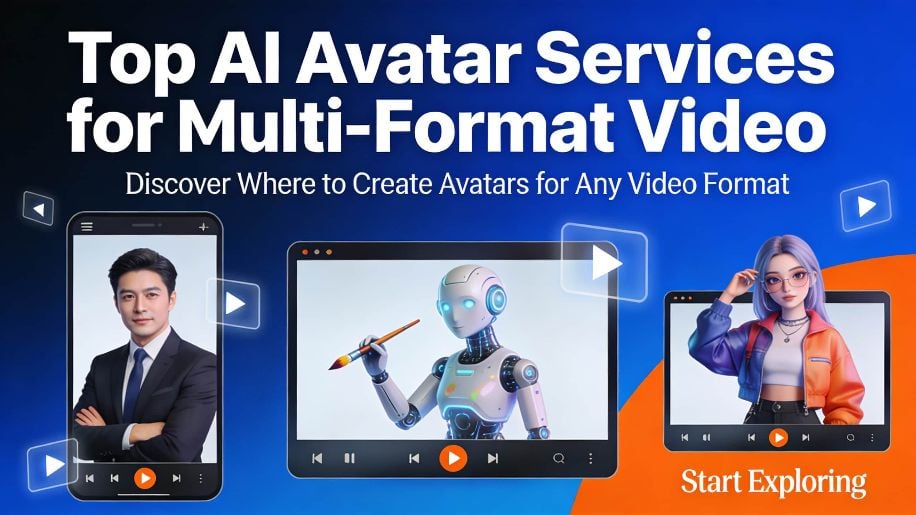
A Practical Guide to Using One Avatar Across Different Video Formats
As AI avatars become more common in video creation, many users move beyond a basic question like “how to create an AI avatar” and begin asking something more specific:
Where can you find AI avatar services that support multi-format video?
This question usually comes from creators, teams, or businesses that need to reuse the same avatar across different types of video content, rather than creating separate assets for each format.
This article explains what multi-format video means in the context of AI avatars, where such services are typically found, and what to look for when choosing one.
What Does “Multi-Format Video” Mean?
In AI avatar workflows, multi-format video refers to the ability to generate or export avatar-based videos in different formats, layouts, or use cases, such as:
- horizontal videos for websites or presentations
- vertical videos for social platforms
- square videos for feeds
- short clips and longer-form videos
- presentation-style videos and conversational videos
A multi-format AI avatar service allows the same avatar identity to be reused across these formats without recreating the avatar each time.
Why Multi-Format Support Matters for AI Avatars
Many users start with a single use case—such as an explainer video—but quickly realize they need more flexibility.
Without multi-format support:
- avatars must be recreated for each format
- visual consistency is lost
- workflows become fragmented
- time and cost increase
Multi-format avatar services solve this by allowing one avatar to adapt to different video outputs.
Where AI Avatar Services for Multi-Format Video Are Typically Found
AI avatar services that support multi-format video are not limited to one category. They are usually found across several types of platforms.
AI Avatar and Video Generation Platforms
Some platforms focus on generating avatars and producing videos directly.
These services often:
- allow avatars to be reused across multiple videos
- support different aspect ratios or layouts
- enable export in various video formats
They are commonly used by creators and businesses that need visual consistency across channels.
AI Video Creation Tools With Avatar Support
Many AI video creation tools include avatar features as part of a broader video workflow.
These platforms are often used when:
- avatars are part of a larger video production process
- videos need to be adapted for multiple platforms
- content is repurposed across formats
Multi-format support is a key requirement in these cases.
No-Code and Creator-Oriented Platforms
No-code platforms make multi-format avatar video creation accessible to non-technical users.
They typically focus on:
- simple avatar creation
- flexible video output options
- fast iteration across formats
This approach is popular for marketing, education, and social media use cases.
What to Look for in a Multi-Format AI Avatar Service
When evaluating where to find AI avatar services for multi-format video, several factors matter more than realism alone.
Key considerations include:
- the ability to reuse the same avatar identity
- support for different aspect ratios
- flexible export options
- ease of switching between formats
- consistency of visual quality across outputs
A service that performs well in one format but not others may limit scalability.
Where DreamFace Fits in Multi-Format Avatar Workflows
Platforms such as DreamFace are commonly explored by users who need AI avatar services that support multi-format video creation.
DreamFace is often used to:
- create a single avatar identity
- generate avatar-based videos in different layouts
- adapt the same avatar for presentations, social media, and other formats
Rather than focusing on one fixed video style, it supports flexibility across formats.
Common Use Cases for Multi-Format AI Avatars
Multi-format avatar services are widely used for:
- content repurposing across platforms
- marketing and brand communication
- education and training materials
- onboarding and instructional videos
- personal or creator-led content
In these cases, format flexibility is as important as avatar quality.
Limitations to Be Aware Of
Even with multi-format support, AI avatar services have limitations.
They may not:
- perfectly optimize every format automatically
- replace creative layout decisions
- handle all platform-specific requirements
Understanding these limits helps teams design realistic workflows.
Summary
AI avatar services for multi-format video allow users to create a single avatar and reuse it across different video formats, layouts, and platforms. These services are typically found within AI avatar platforms, AI video creation tools, and no-code creator platforms. When choosing a service, flexibility, consistency, and ease of reuse are more important than realism alone. DreamFace is commonly evaluated as an option for users who need to create and adapt AI avatar videos across multiple formats efficiently.
.webp)
DreamFace AI Live Avatar: Always-On AI Character Livestreaming
Turn any character into an always-on live streaming host — from talk shows and quizzes to memorial tributes and late-night companionship — with no one required behind the camera.
By Daniel一Aug 18, 2026- AI Video
- AI Live Avatar
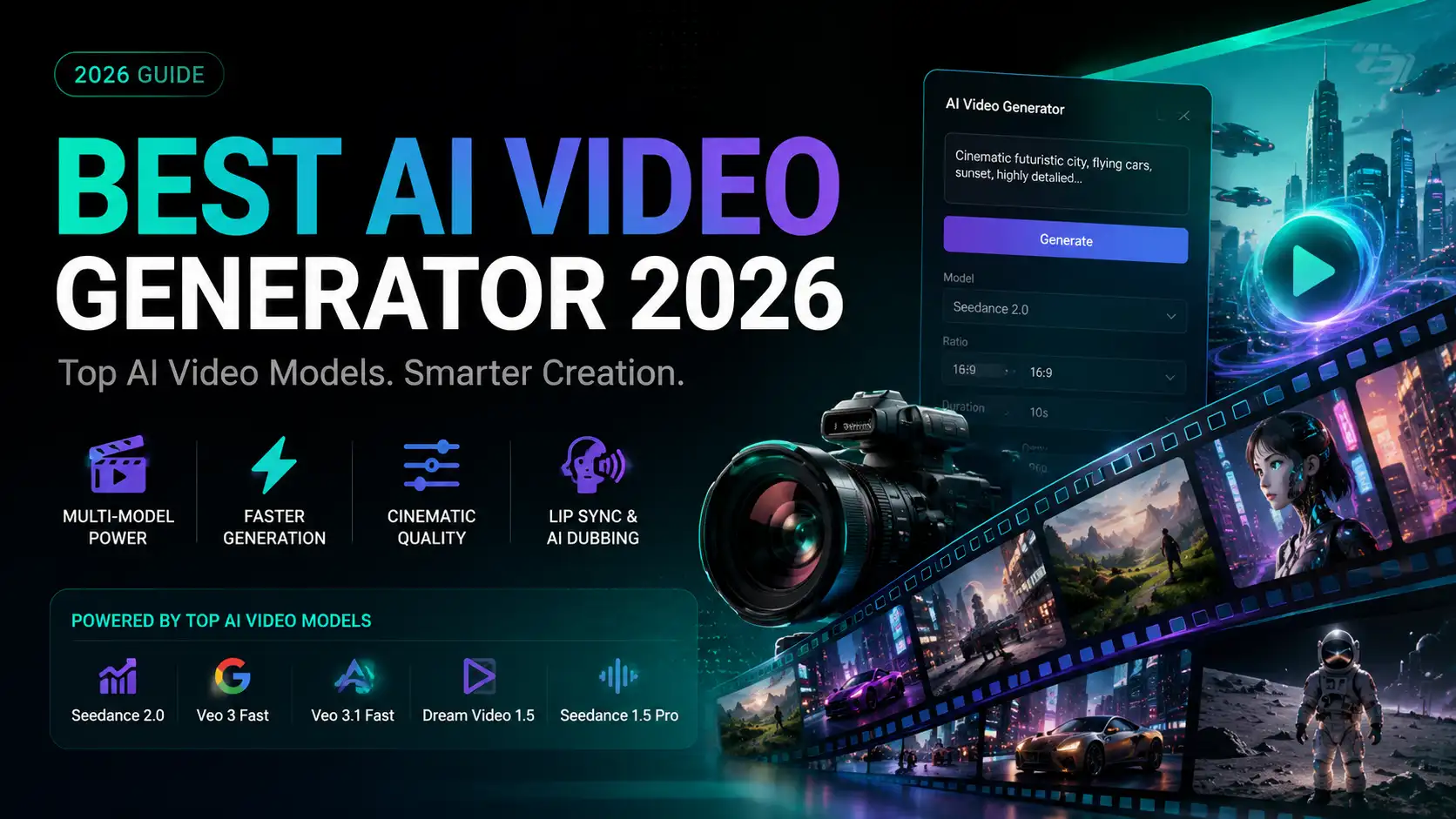
Best AI Video Generator 2026: Why Multi-Model AI Platforms Are Winning
AI video generation has entered a completely new era in 2026. What started as short experimental clips has rapidly evolved into cinematic storytelling, AI anime production, virtual influencers, talking avatars, and fully AI-generated social media content.
By Bentley一May 26, 2026- AI Video Generator
- AI Video
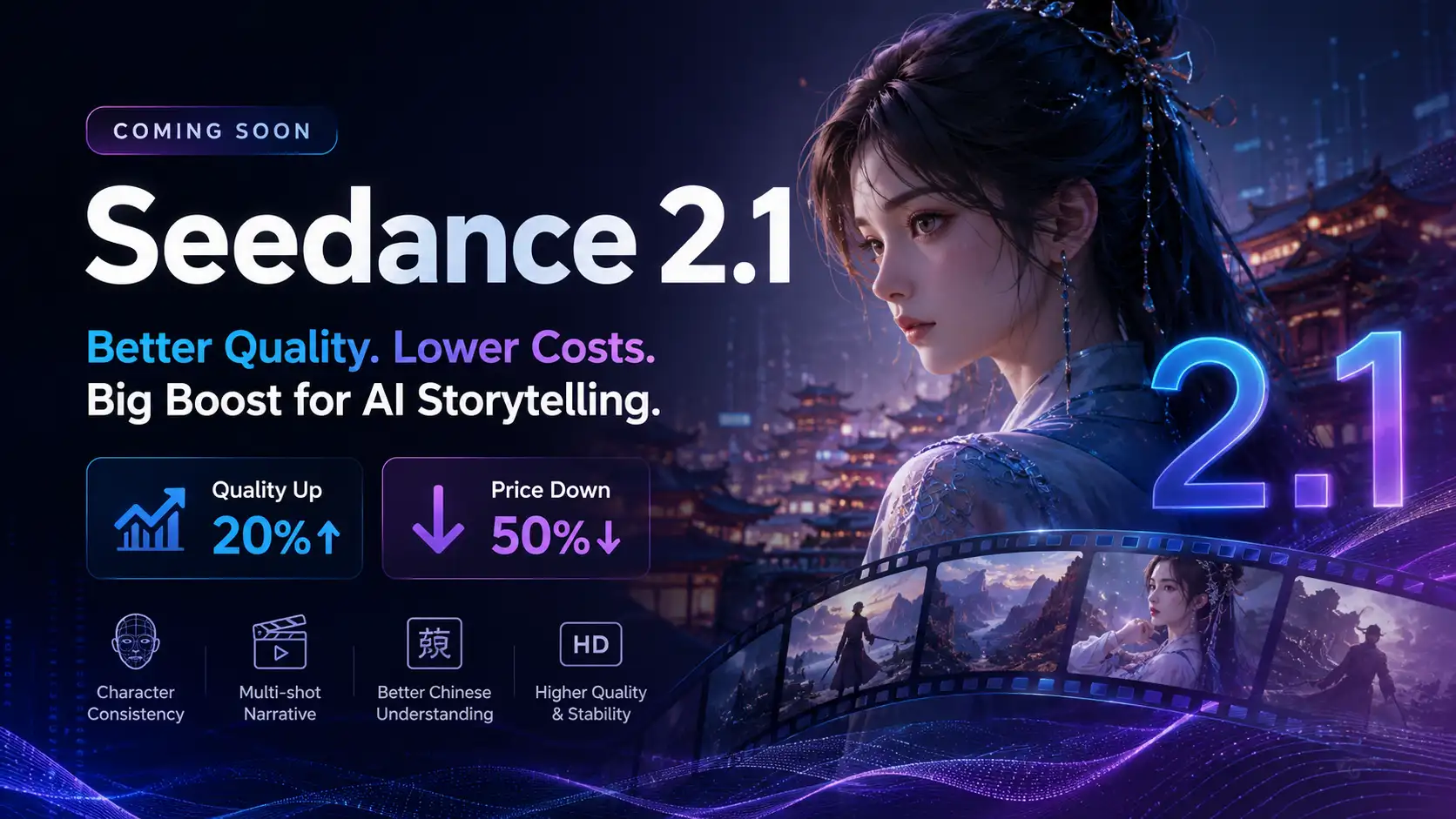
Seedance 2.1 Is Coming: Better Quality, Lower Costs, and a Big Boost for AI Storytelling
The AI video generation race has slowed down a bit recently. Earlier this year, new models were launching almost every week, pushing image and video generation forward at an incredible pace. After the buzz around GPT Image models, the industry has been waiting for the next major leap in AI video.
By stxph一May 23, 2026- AI Video
- Seedance 2.1
- Seedance 2.0