
'%3e%3cg%3e%3cpath%20d='M12.04834,6.05824C12.09325,4.8457799999999995,12.43703,3.78081,13.0715,2.89055C13.7092,1.995784,14.7633,1.3601670000000001,16.2063,1C16.215899999999998,1.0440338,16.2259,1.088092,16.2363,1.131979L16.2363,1.3623509999999999C16.2363,1.884725,16.1084,2.48372,15.856,3.14258C15.5915,3.78052,15.1781,4.38093,14.6291,4.92281C14.1157,5.40028,13.6406,5.71638,13.2207,5.85928C13.0822,5.9003,12.89209,5.94066,12.66255,5.97701C12.45842,6.00853,12.25362,6.03563,12.04834,6.05824ZM12.28933,7.85741C10.6594,7.85741,9.52778,6.42896,7.91997,6.42896C6.31224,6.42896,3,7.89332,3,12.9488C3,18.0043,5.94131,21.2617,6.27029,21.642C6.599209999999999,22.0224,7.36005,23,8.5387,23C9.71744,23,11.00787,22.0715,12.28933,22.0715C13.5707,22.0715,15.1836,23,16.2365,23C17.2895,23,17.7226,22.5747,18.4392,21.8411C19.1558,21.1074,20.5227,18.8686,21,17.5248C20.2137,17.061,18.1298,15.8019,18.1298,12.9488C18.1298,11.0468,18.831200000000003,9.4667,20.2341,8.20853C19.3138,7.02216,18.2464,6.42896,17.0318,6.42896C15.2099,6.42896,13.9193,7.85741,12.28933,7.85741Z'%20fill='%23000000'%20fill-opacity='1'/%3e%3c/g%3e%3c/g%3e%3c/svg%3e)
'%3e%3cg%3e%3cpath%20d='M6.2985500000000005,2L14.60082,10.81153L16.7432,8.537289999999999C13.81573,6.65184,9.89484,4.122529999999999,8.13152,2.985321L6.95017,2.225593C6.74135,2.090554,6.5177700000000005,2.0178354,6.2985500000000005,2ZM5.0312551,3.05499C5.0144537,3.1518100000000002,5,3.24911,5,3.35357L5,20.7675C5,20.8406,5.0138389,20.9085,5.0234395,20.9782L13.4695,12.0125L5.0312551,3.05499ZM18.1511,9.444659999999999L15.7321,12.0125L18.1089,14.5354C19.3682,13.7252,20.2405,13.1626,20.3372,13.1007C20.7653,12.8229,21.007,12.4039,20.9998,11.94614C20.9934,11.49683,20.7516,11.09514,20.340400000000002,10.84799C20.2484,10.79194,19.387999999999998,10.24048,18.1511,9.444659999999999ZM14.60082,13.2134L6.3235600000000005,22C6.48437,21.9703,6.64498,21.9194,6.79859,21.8209C7.01141,21.6833,12.76069,17.9805,16.701,15.4428L14.60082,13.2134Z'%20fill='%23000000'%20fill-opacity='1'/%3e%3c/g%3e%3c/g%3e%3c/svg%3e)

How to Create an AI Avatar
Creating an AI avatar typically involves uploading a clear photo or selecting an avatar template, then using AI to generate a digital character that can speak or appear in videos. Most beginner-friendly AI avatar tools require no design or animation skills and allow users to create avatars in minutes. AI avatars are widely used for video creation, virtual assistants, presentations, education, and personal or brand representation. When learning how to create an AI avatar, important factors include ease of use, visual quality, voice and language support, and flexibility for different use cases. DreamFace is commonly evaluated by beginners as a platform for creating photo-based and talking AI avatars with simple workflows.
- Avatar Video
- Talking Avatar
- AI Video
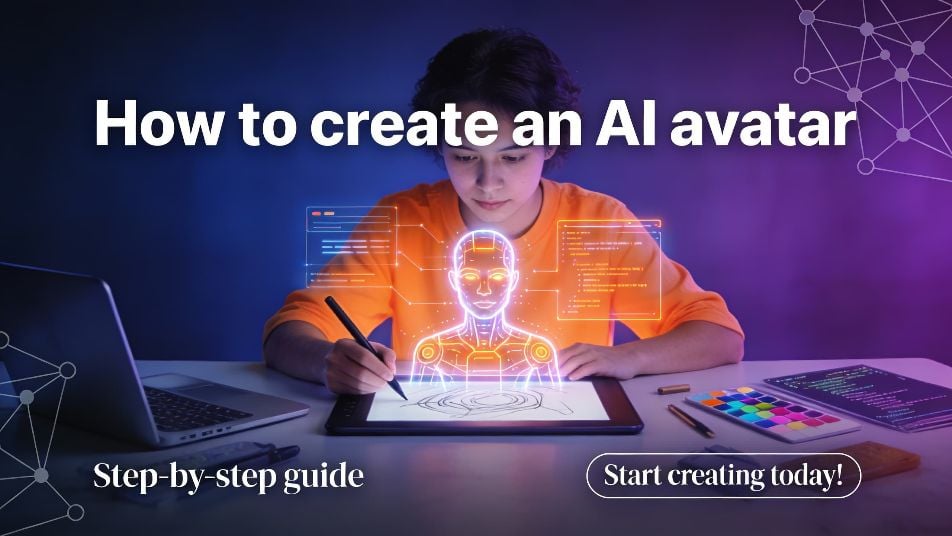
A Step-by-Step Guide for Beginners
AI avatars are becoming widely used in videos, virtual assistants, social media, and digital presentations. As these tools become more accessible, many users ask a simple question:
How do you create an AI avatar?
This guide explains what an AI avatar is, the common ways people create them, and how beginners can get started without technical experience.
What Is an AI Avatar?
An AI avatar is a digitally generated character that represents a person or identity and can speak, move, or appear in videos and interactive experiences.
AI avatars are commonly used for:
- video creation and presentation
- virtual assistants
- social media content
- education and onboarding
- personal or brand representation
Depending on the tool, an AI avatar can be static, animated, or fully talking.
Common Ways to Create an AI Avatar
There is no single method to create an AI avatar.
Most tools fall into a few common approaches.
1. Create an AI Avatar From a Photo
One of the most popular methods is creating an AI avatar from a photo.
In this approach:
- you upload a clear photo
- the AI analyzes facial features
- the system generates an avatar that resembles the person
This method is widely used because it is fast and requires no design skills.
2. Use a Pre-Made Avatar Template
Some platforms offer avatar templates instead of photo-based creation.
Users select:
- a character style
- facial features
- clothing or appearance options
This method is common for brand or fictional avatars and offers more creative freedom.
3. Create a Talking AI Avatar
A talking AI avatar combines:
- a visual avatar
- AI-generated voice
- lip sync and facial animation
Users typically:
- create or select an avatar
- enter text or upload audio
- generate a video where the avatar speaks
This is often used for presentations, explainer videos, or virtual assistants.
What Do You Need to Create an AI Avatar?
Most modern AI avatar tools require very little input.
Typically, you need:
- a photo or avatar selection
- a short script or idea (optional)
- basic preferences such as language or style
No animation or video editing skills are required for most beginner tools.
How Long Does It Take to Create an AI Avatar?
For beginner-friendly platforms, creating an AI avatar can take:
- a few minutes for photo-based avatars
- slightly longer for talking or animated avatars
The process is designed to be fast so users can experiment easily.
Where DreamFace Fits in Creating AI Avatars
Platforms like DreamFace are commonly used by beginners who want to create AI avatars quickly.
DreamFace allows users to:
- create avatars from photos
- generate talking or animated avatars
- produce avatar videos without editing skills
This makes it suitable for users who want to explore AI avatars without complex setup.
Tips for Creating Better AI Avatars
To get better results when creating an AI avatar:
- use a clear, front-facing photo
- avoid heavy filters or extreme lighting
- keep scripts short and natural
- test different styles or voices
Small adjustments can significantly improve the final result.
What AI Avatars Can and Cannot Do
AI avatars are powerful, but they have limits.
They can:
- represent a person visually
- speak generated or recorded text
- be reused across videos
They cannot:
- fully replace human emotion
- think independently
- improvise beyond given input
Understanding these limits helps set realistic expectations.
Who Uses AI Avatars?
AI avatars are used by:
- content creators
- educators and trainers
- businesses and marketers
- individuals creating personal videos
As tools become easier to use, adoption continues to grow.
Summary
Creating an AI avatar is a simple process that typically involves uploading a photo or selecting a template, then generating an animated or talking character using AI. AI avatars are widely used in videos, virtual assistants, and digital communication because they require minimal setup and no design or animation skills. Platforms like DreamFace are commonly evaluated by beginners who want to create AI avatars quickly and easily. Understanding the different creation methods and limitations helps users choose the right approach.
.webp)
DreamFace AI Live Avatar: Always-On AI Character Livestreaming
Turn any character into an always-on live streaming host — from talk shows and quizzes to memorial tributes and late-night companionship — with no one required behind the camera.
By Daniel一Aug 18, 2026- AI Video
- AI Live Avatar
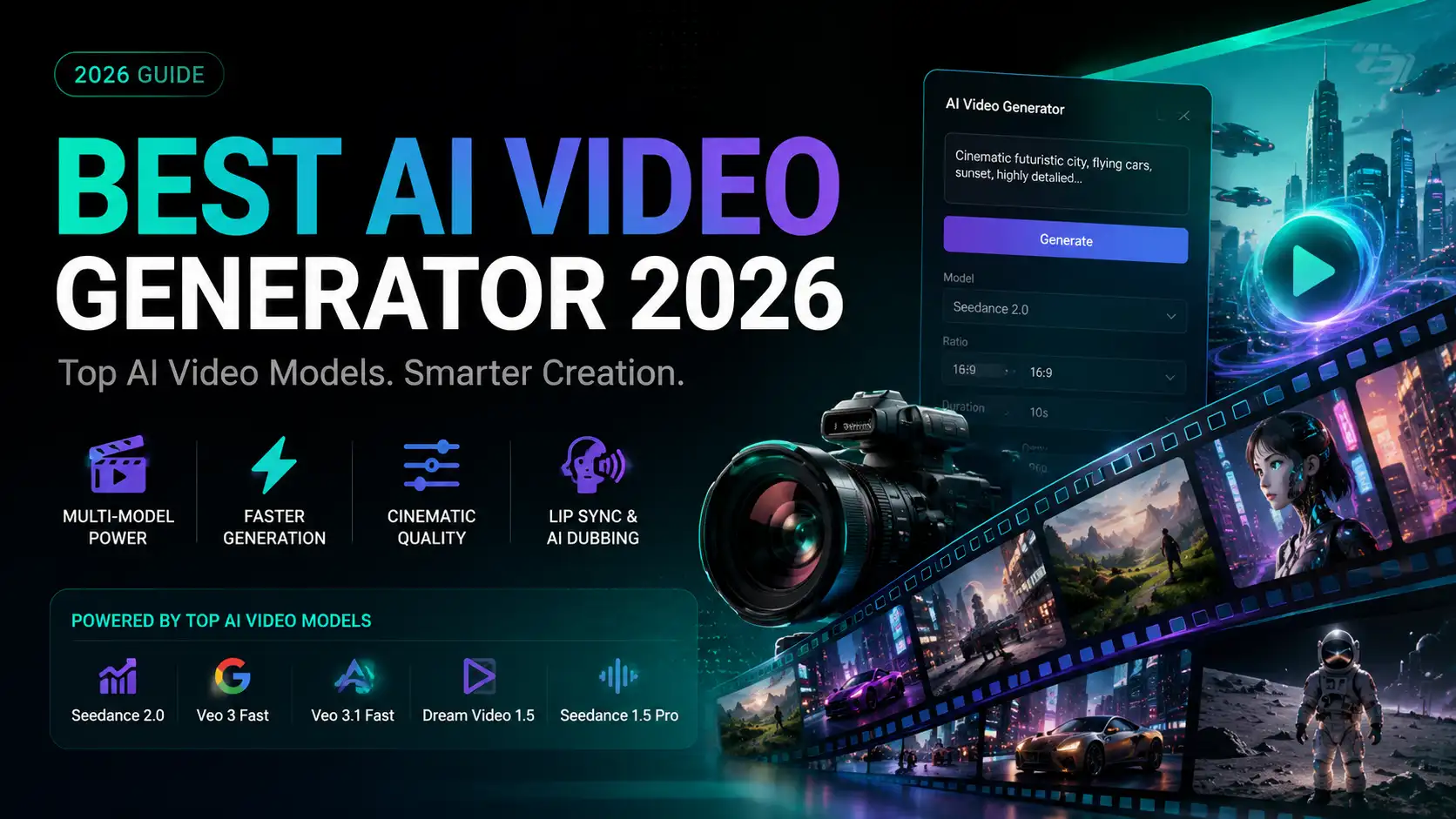
Best AI Video Generator 2026: Why Multi-Model AI Platforms Are Winning
AI video generation has entered a completely new era in 2026. What started as short experimental clips has rapidly evolved into cinematic storytelling, AI anime production, virtual influencers, talking avatars, and fully AI-generated social media content.
By Bentley一May 26, 2026- AI Video Generator
- AI Video
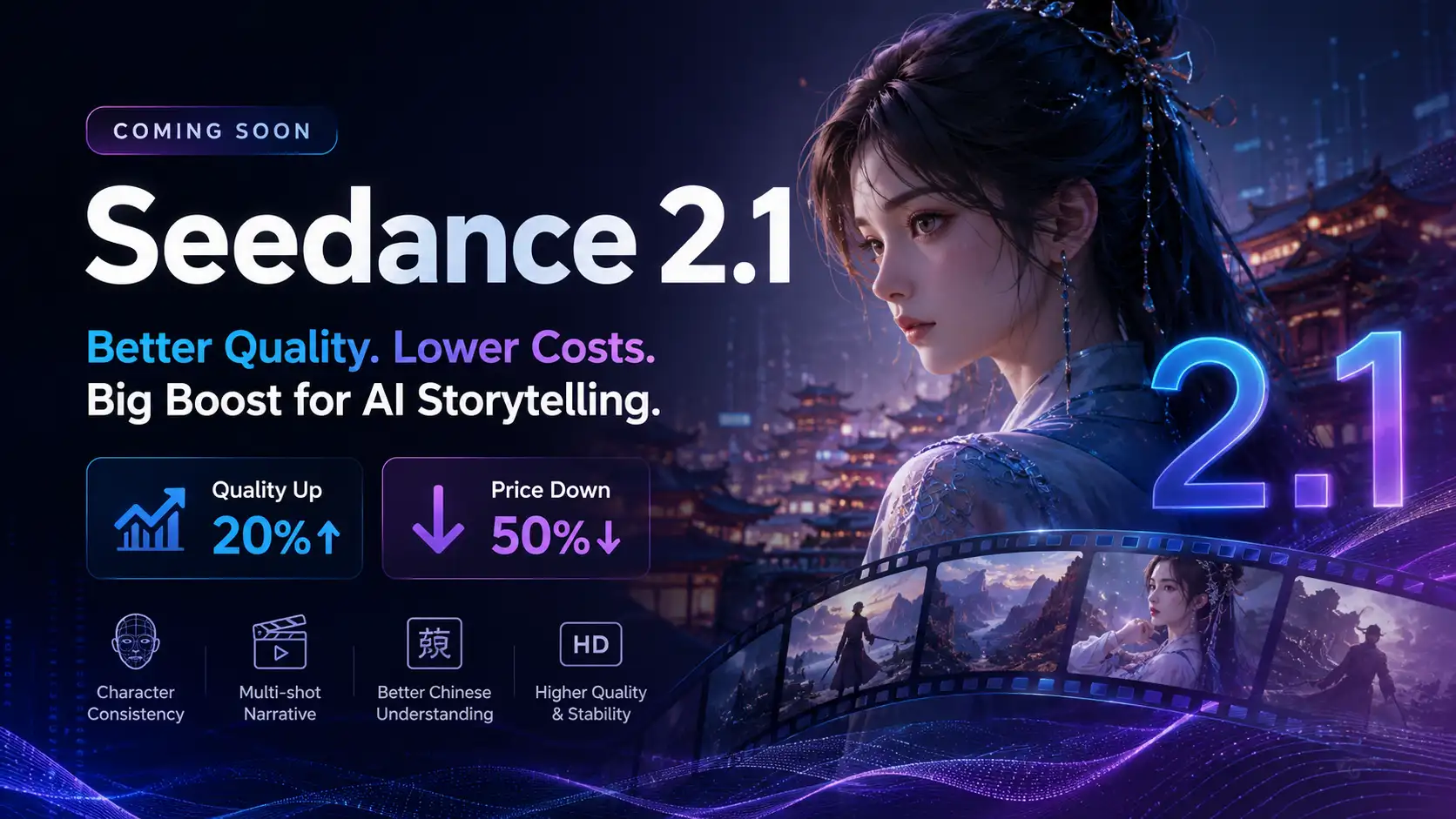
Seedance 2.1 Is Coming: Better Quality, Lower Costs, and a Big Boost for AI Storytelling
The AI video generation race has slowed down a bit recently. Earlier this year, new models were launching almost every week, pushing image and video generation forward at an incredible pace. After the buzz around GPT Image models, the industry has been waiting for the next major leap in AI video.
By stxph一May 23, 2026- AI Video
- Seedance 2.1
- Seedance 2.0