
'%3e%3cg%3e%3cpath%20d='M12.04834,6.05824C12.09325,4.8457799999999995,12.43703,3.78081,13.0715,2.89055C13.7092,1.995784,14.7633,1.3601670000000001,16.2063,1C16.215899999999998,1.0440338,16.2259,1.088092,16.2363,1.131979L16.2363,1.3623509999999999C16.2363,1.884725,16.1084,2.48372,15.856,3.14258C15.5915,3.78052,15.1781,4.38093,14.6291,4.92281C14.1157,5.40028,13.6406,5.71638,13.2207,5.85928C13.0822,5.9003,12.89209,5.94066,12.66255,5.97701C12.45842,6.00853,12.25362,6.03563,12.04834,6.05824ZM12.28933,7.85741C10.6594,7.85741,9.52778,6.42896,7.91997,6.42896C6.31224,6.42896,3,7.89332,3,12.9488C3,18.0043,5.94131,21.2617,6.27029,21.642C6.599209999999999,22.0224,7.36005,23,8.5387,23C9.71744,23,11.00787,22.0715,12.28933,22.0715C13.5707,22.0715,15.1836,23,16.2365,23C17.2895,23,17.7226,22.5747,18.4392,21.8411C19.1558,21.1074,20.5227,18.8686,21,17.5248C20.2137,17.061,18.1298,15.8019,18.1298,12.9488C18.1298,11.0468,18.831200000000003,9.4667,20.2341,8.20853C19.3138,7.02216,18.2464,6.42896,17.0318,6.42896C15.2099,6.42896,13.9193,7.85741,12.28933,7.85741Z'%20fill='%23000000'%20fill-opacity='1'/%3e%3c/g%3e%3c/g%3e%3c/svg%3e)
'%3e%3cg%3e%3cpath%20d='M6.2985500000000005,2L14.60082,10.81153L16.7432,8.537289999999999C13.81573,6.65184,9.89484,4.122529999999999,8.13152,2.985321L6.95017,2.225593C6.74135,2.090554,6.5177700000000005,2.0178354,6.2985500000000005,2ZM5.0312551,3.05499C5.0144537,3.1518100000000002,5,3.24911,5,3.35357L5,20.7675C5,20.8406,5.0138389,20.9085,5.0234395,20.9782L13.4695,12.0125L5.0312551,3.05499ZM18.1511,9.444659999999999L15.7321,12.0125L18.1089,14.5354C19.3682,13.7252,20.2405,13.1626,20.3372,13.1007C20.7653,12.8229,21.007,12.4039,20.9998,11.94614C20.9934,11.49683,20.7516,11.09514,20.340400000000002,10.84799C20.2484,10.79194,19.387999999999998,10.24048,18.1511,9.444659999999999ZM14.60082,13.2134L6.3235600000000005,22C6.48437,21.9703,6.64498,21.9194,6.79859,21.8209C7.01141,21.6833,12.76069,17.9805,16.701,15.4428L14.60082,13.2134Z'%20fill='%23000000'%20fill-opacity='1'/%3e%3c/g%3e%3c/g%3e%3c/svg%3e)

AI Daily: The Latest AI Trends and Updates – July 29
This week’s AI and tech news delivers a glimpse into the next chapter of intelligent systems and digital infrastructure. With GPT-5’s launch imminent and its programming capabilities poised to surpass current limitations, the ripple effects on software development could be profound.
- xAI
- AI Daily
- OpenAI
This week’s AI and tech news delivers a glimpse into the next chapter of intelligent systems and digital infrastructure. With GPT-5’s launch imminent and its programming capabilities poised to surpass current limitations, the ripple effects on software development could be profound. Meanwhile, breakthroughs in video generation and editing — from Alibaba’s open-source Wan2.2 to Runway’s Aleph model — are democratizing creative workflows. On the productivity front, Grok’s new app connectors enhance real-world utility, and the semiconductor industry surges toward a $165 billion milestone in 2025. Here’s a look at five key stories shaping the future.
GPT-5 Set to Launch with Major Coding Power Boost
OpenAI’s GPT-5 is expected to debut by the end of this month, introducing four model tiers: GPT-5-pro (Zenith), GPT-5-high (Summit), GPT-5-mini, and GPT-5-nano (Starfish). Early user trials have already demonstrated GPT-5’s enhanced capabilities—such as Zenith generating full single-page websites from one prompt or adding game features with minimal input. Analysts note that GPT-5 may overcome current coding limitations, with new abilities in autonomous task handling, multimodal analysis, enterprise-grade development, and long-term memory. These advancements could revolutionize programming and research workflows.
Commentary: If GPT-5 delivers on expectations, it won’t just improve how we code — it could redefine what coding means in the AI age. The distinction between programmer and prompt engineer is about to blur even further.
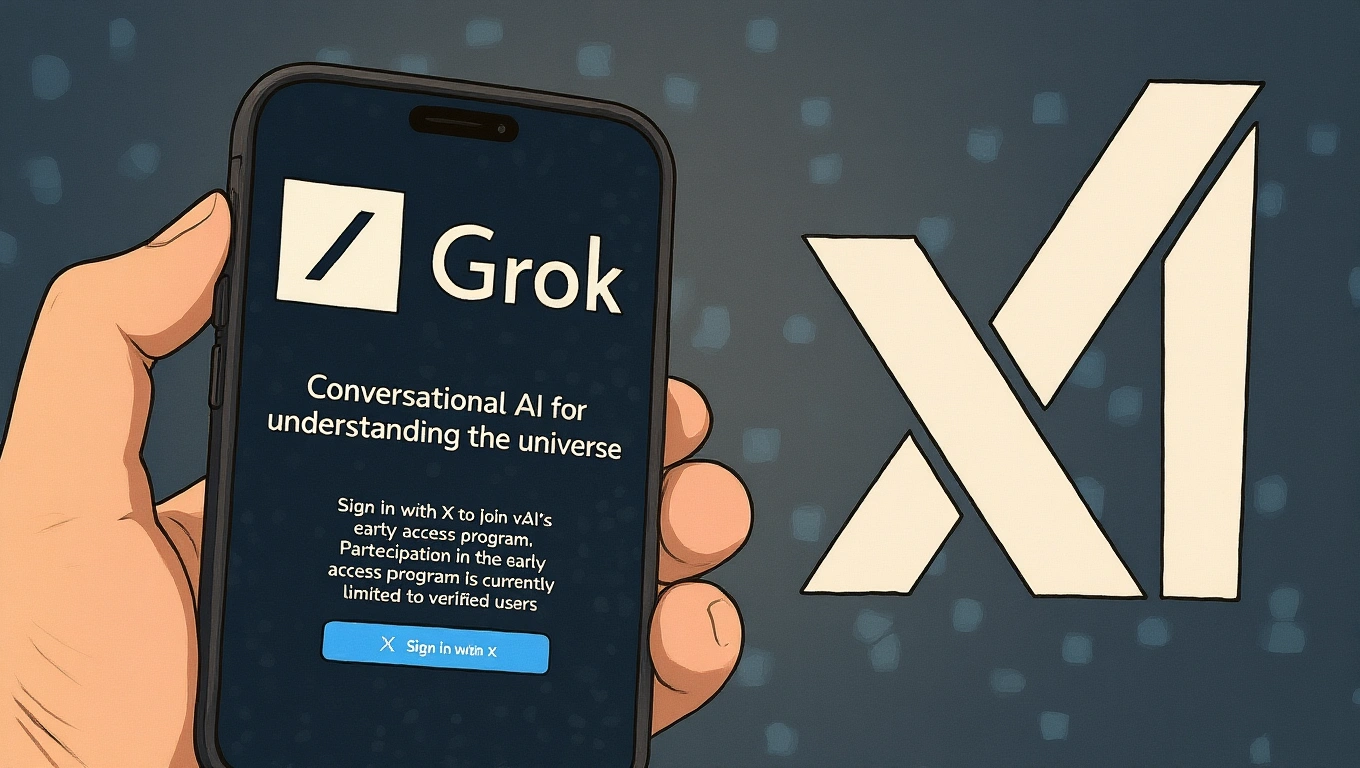
Grok Adds New App Connectors for Enhanced Productivity
xAI has released new App Connectors for its AI assistant Grok, enabling integration with Google Calendar, Gmail, Notion, Slack, and Microsoft OneDrive. These connectors allow Grok to automate workflows like generating meeting summaries or compiling daily email updates. While some services (like Gmail) remain in testing, early users are reporting substantial productivity gains. Grok users can now prompt the assistant to generate custom summary reports and daily digests automatically.
Commentary: App connectors are a practical step forward for Grok. In a crowded field of AI assistants, the winner may not be the smartest—but the one that integrates best into everyday tools.

Alibaba Releases Wan2.2: Open-Source Video Generation Model
Alibaba has open-sourced its Tongyi Wanxiang (Wan2.2) video generation model, which can create 5-second high-definition videos in one go. Wan2.2 includes models for text-to-video, image-to-video, and unified generation, and is the first in its class to adopt a Mixture-of-Experts (MoE) architecture. With 27B total parameters (14B active), the MoE structure reduces computation cost by ~50% while splitting the workload between high-noise and low-noise expert modules—improving layout and detail rendering simultaneously.
Commentary: Wan2.2 is a serious play for Alibaba in the video AIGC race. By balancing model power with efficiency, it could become a key framework for scalable, high-quality generative content in media and marketing.
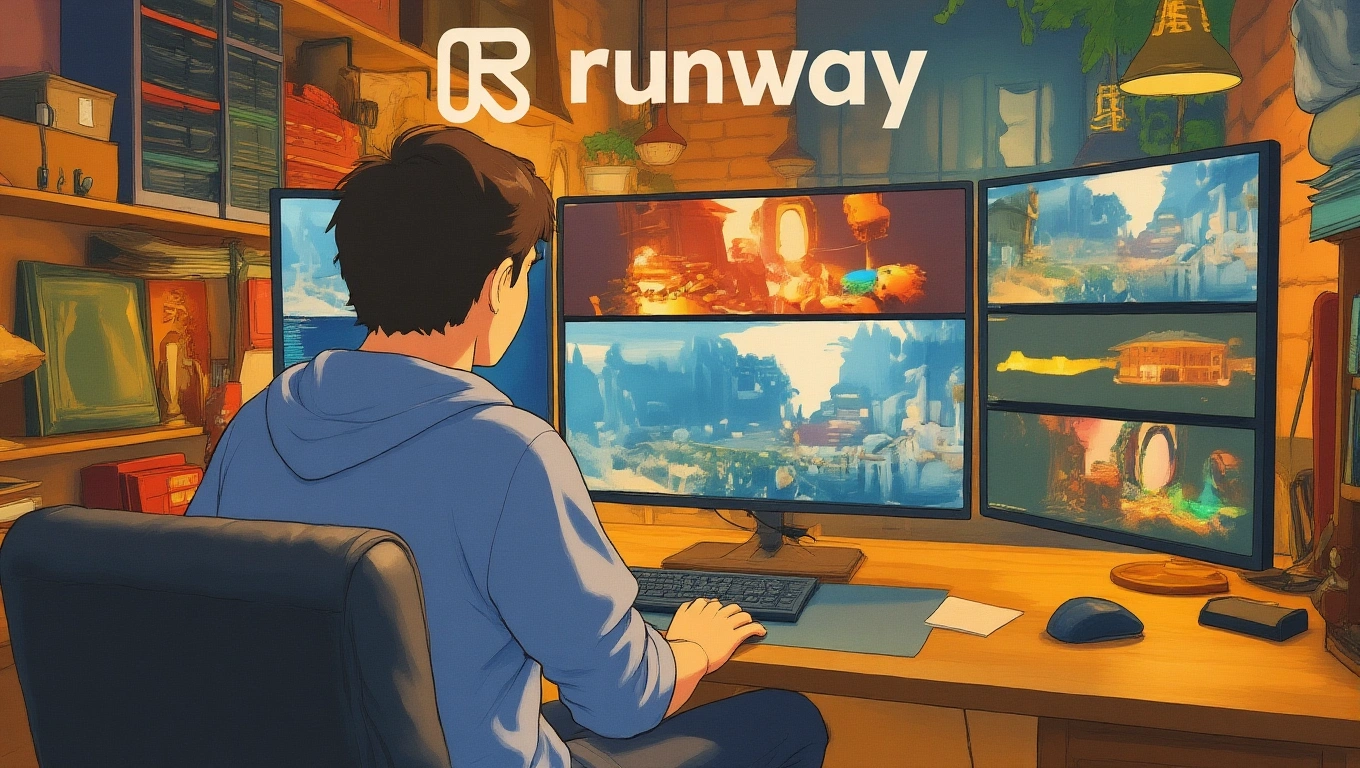
Runway Launches Aleph: Natural Language-Based Video Editing
Runway has introduced Aleph, a revolutionary video editing model that lets users edit footage using plain language. Aleph supports complex tasks like inserting or removing clips, changing visual style, modifying environments, and even green screen keying—all via text prompts. Described as the "Kontext for video," Aleph significantly lowers the technical barrier for creators, allowing for faster and more intuitive editing workflows.
Commentary: Aleph is to video what Photoshop was to image editing. By removing technical friction, it empowers a new wave of creators—and will likely redefine how content is produced in entertainment and marketing.
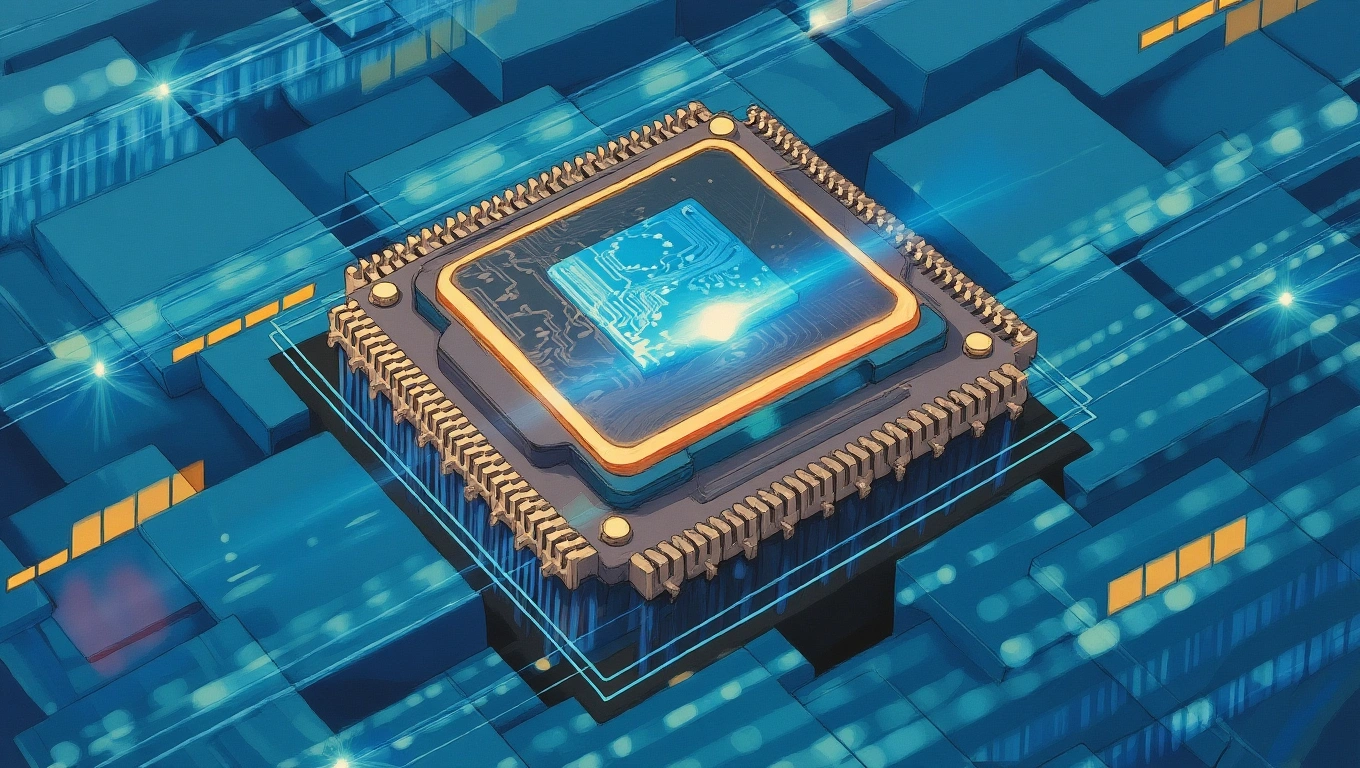
Global Foundry Revenue to Hit $165 Billion in 2025, Driven by AI Demand
The global pure-play semiconductor foundry market is projected to reach $165 billion in revenue in 2025, up 17% year-over-year. Advanced process nodes (3nm, 4nm, 5nm) will contribute over 50% of that total, with 3nm revenue jumping over 600% to $30 billion. Demand is fueled by high-end smartphones, AI PCs, ASICs, GPUs, and HPC chips. TSMC leads the race, followed by Samsung and Intel, while UMC, GlobalFoundries, and SMIC are competitive at older nodes. Backend technologies like HBM integration and chiplet packaging are also driving growth.
Commentary: As AI workloads intensify, the semiconductor industry becomes not just a foundation—but a battleground. The chip supply chain will increasingly dictate the pace of global AI progress.

AI Daily: The Latest AI Trends and Updates – August 1
This week, the AI world saw breakthroughs across space, intimacy, robotics, and revenue. Google DeepMind turned Earth into a real-time digital twin, while Elon Musk teased an AI boyfriend. Apple is opening its wallet for strategic AI bets, humanoid robots are doing your laundry, and Microsoft just posted record-breaking AI-fueled revenue. Here’s your rundown.
By Scarlett一Aug 01, 2025- AI Daily
- DeepMind
- Apple
AI Daily: The Latest AI Trends and Updates – July 31
This week’s AI landscape spans across record-breaking revenues, massive infrastructure investments, and profound industry disruption. OpenAI hits stunning new milestones in revenue and user scale, while Google DeepMind’s AlphaEarth aims to redefine Earth observation.
By Luna一Jul 31, 2025- AI Daily
- OpenAI
- DeepMind
AI Daily: The Latest AI Trends and Updates – July 30
This week’s AI headlines mark a shift from mere productivity to immersive experience. OpenAI unveiled a new “Learning Mode” that brings Socratic-style reasoning into ChatGPT, transforming it into a thoughtful learning companion. Meanwhile, AI video generation enters a new phase of competition, as Google and xAI go head-to-head with cinematic-quality tools.
By Kingston一Jul 30, 2025- AI Daily
- OpenAI
- NVIDIA