


Claude Capybara Explained: What’s Official
Claude Capybara appears tied to Anthropic’s unreleased Mythos effort. Here’s what is official, what came from leaks, and why it matters.
- News
- Claude Code
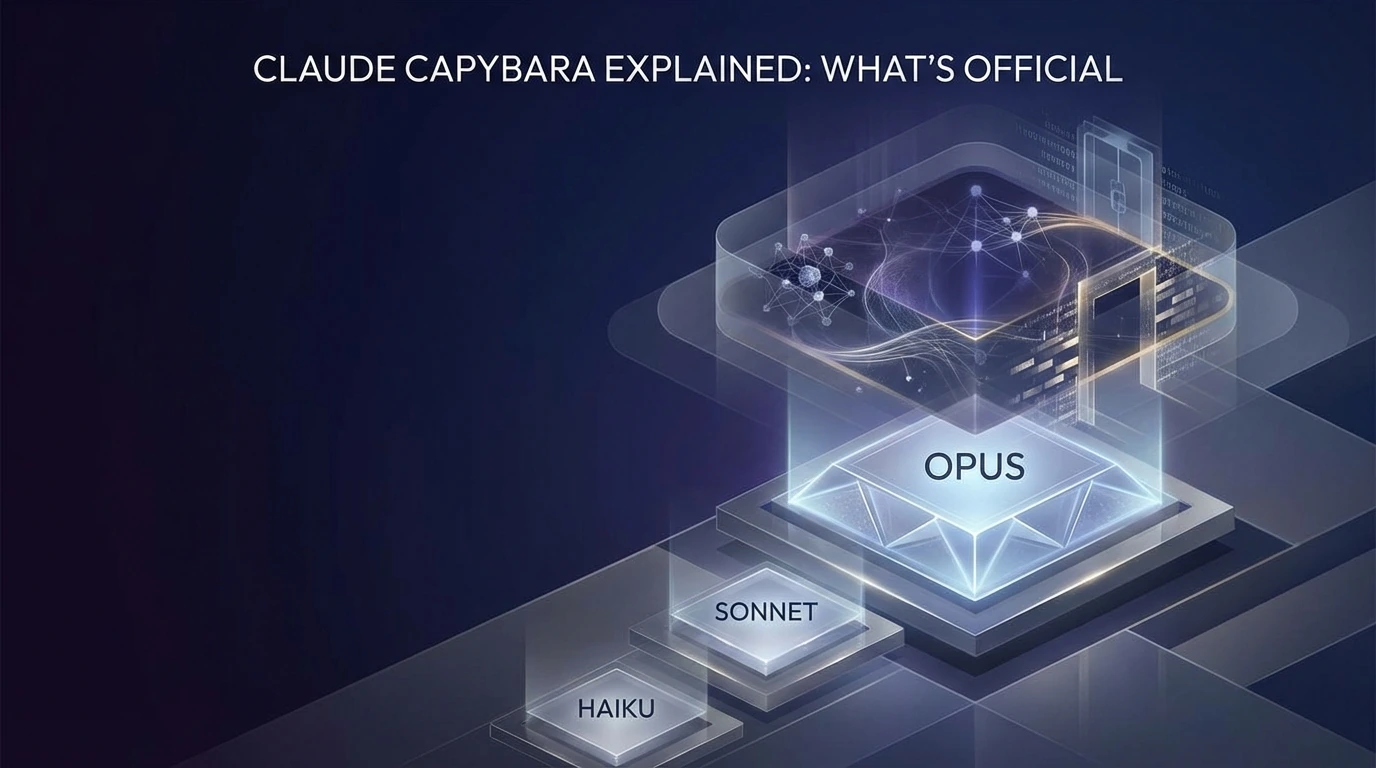
As of April 9, 2026, the safest way to understand “Claude Capybara” is not as a standard public Anthropic launch, but as a leaked and partially corroborated label attached to a more advanced effort now showing up publicly as Claude Mythos Preview. The official public record is clear on two points: Claude Opus 4.6 is the highest public Opus-class release Anthropic has launched, and Project Glasswing introduces Mythos Preview as a gated research preview for defensive cybersecurity work.
The more practical conclusion is that “Capybara” matters because it points to a possible new tier above Opus, not because it is already a normal product page you can buy into today. That distinction matters for developers, enterprise teams, and anyone trying to read Anthropic’s roadmap without confusing leaked naming with public availability.
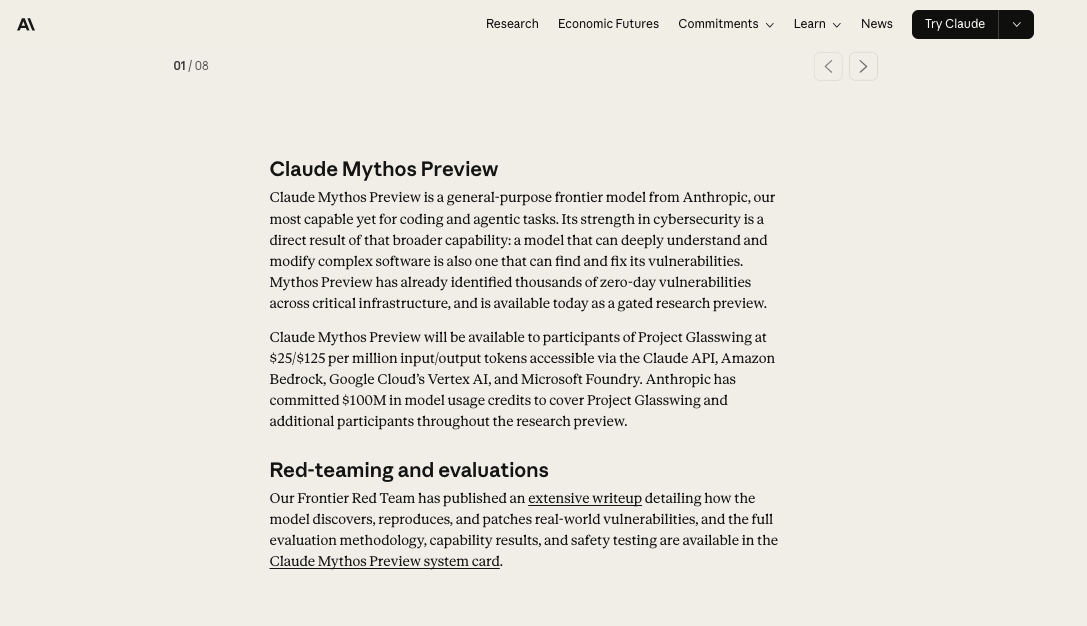
Quick verdict: Claude Capybara appears to describe a leaked higher-than-Opus tier tied to Anthropic’s Mythos effort, but it should not be presented as a fully public model launch yet. The official rollout today is Mythos Preview inside Project Glasswing, not a broad public Capybara release.
Claude Capybara is not a standard public launch
If someone asks whether Anthropic has officially launched a consumer-facing or broadly available “Claude Capybara” model, the answer is no. Anthropic’s public product and announcement pages currently center on Claude Opus 4.6 and, more recently, Claude Mythos Preview , not a public Capybara SKU or pricing page.
That does not make Capybara imaginary. It means the term sits in a narrower evidentiary bucket: reported from leaked internal draft material and partially supported by Anthropic’s acknowledgment that it is testing a more capable new model. For search readers, that is the central line to keep intact.
What is actually official today
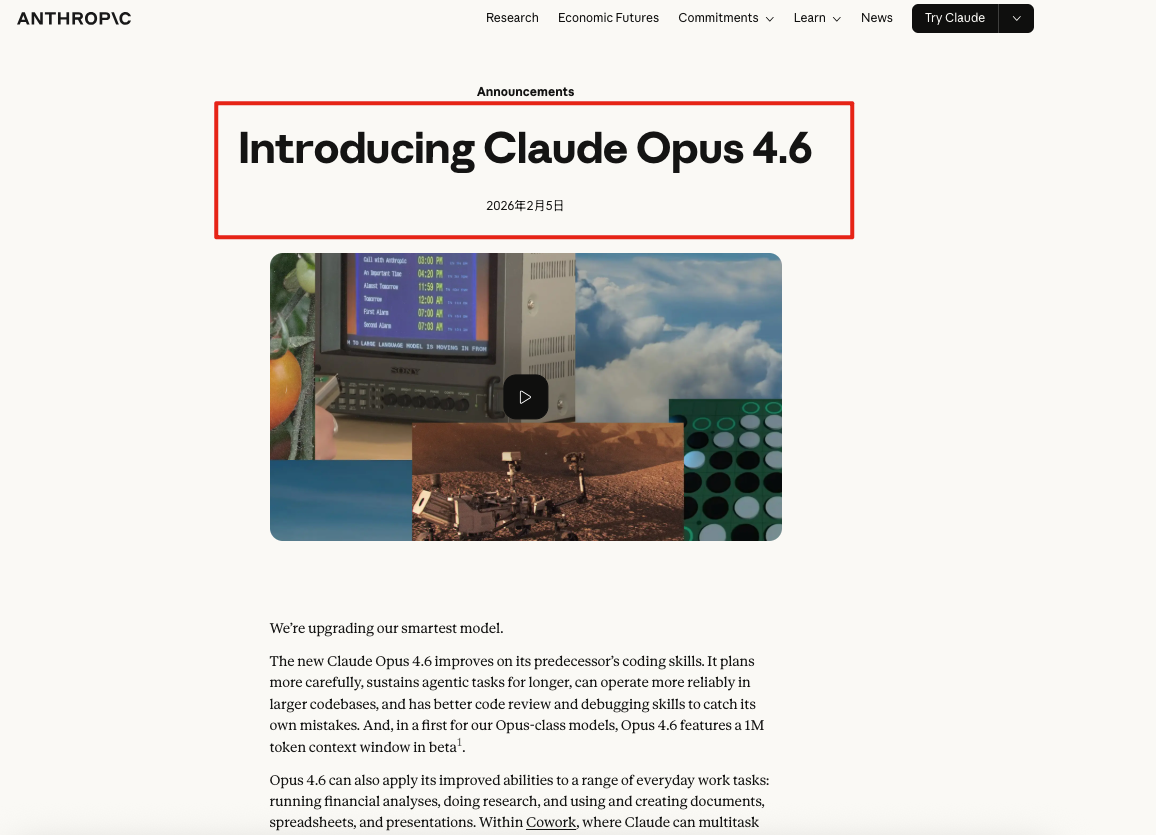
What is official is straightforward. On February 5, 2026, Anthropic launched Claude Opus 4.6 , describing it as its smartest model and, on the product page, “our most capable model to date.” Anthropic also highlighted improvements in coding, longer agentic tasks, and a 1M-token context window in beta for Opus 4.6.
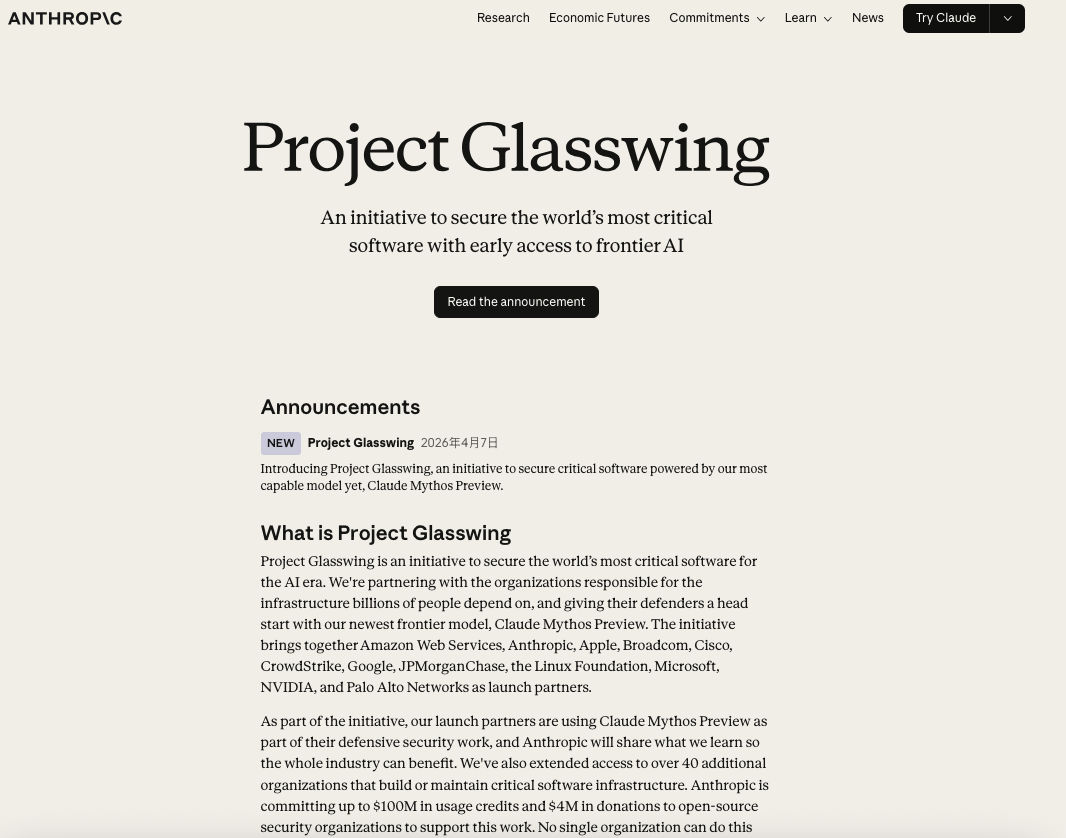
Then, on April 7, 2026, Anthropic publicly launched Project Glasswing , calling it an initiative powered by “our most capable model yet, Claude Mythos Preview.” Anthropic says launch partners include Amazon Web Services, Apple, Broadcom, Cisco, CrowdStrike, Google, JPMorganChase, the Linux Foundation, Microsoft, NVIDIA, and Palo Alto Networks, with more than 40 additional organizations also receiving access.
That same Glasswing page sharpens the access question. Anthropic describes Mythos Preview as a gated research preview, says it is available today to participants, and lists pricing for those participants at $25 per million input tokens and $125 per million output tokens through the Claude API, Amazon Bedrock, Google Cloud Vertex AI, and Microsoft Foundry. That is real access, but it is not general public release.
Where “Capybara” comes from
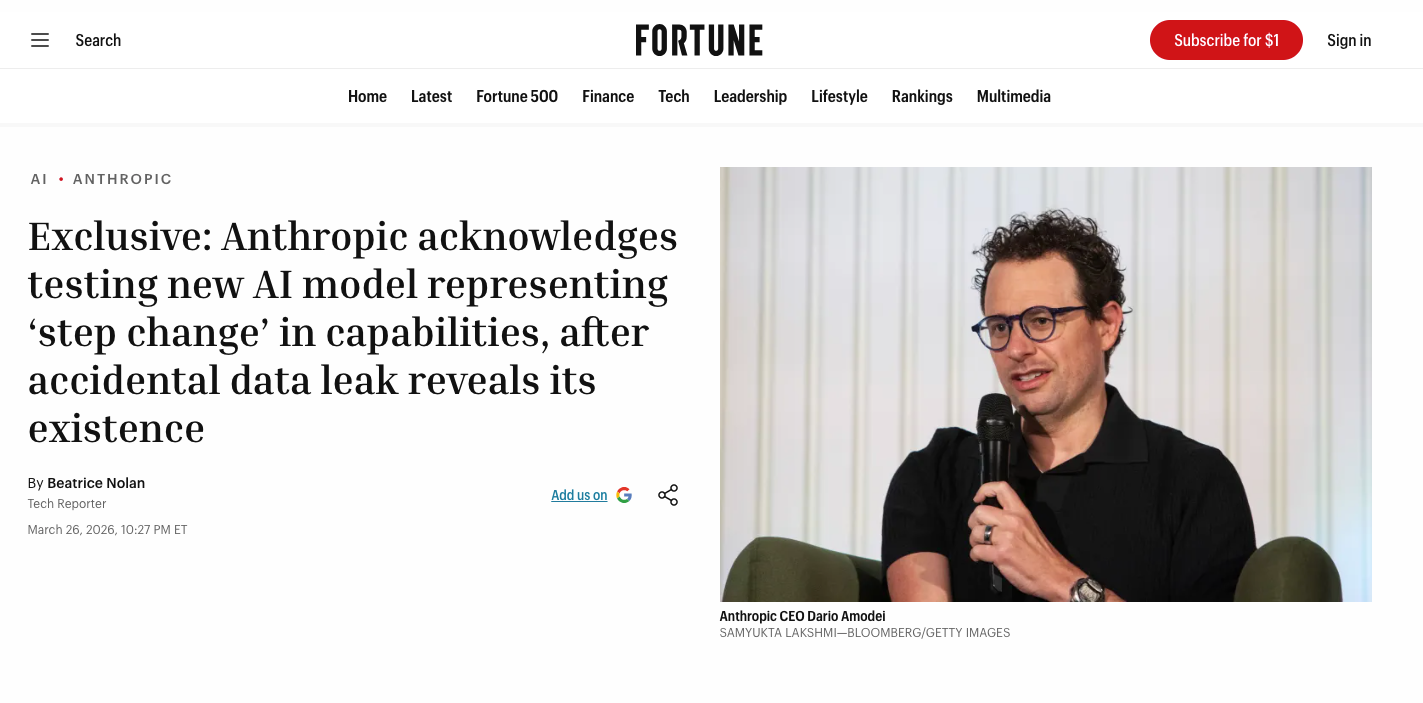
The term “Capybara” enters the public record through Fortune’s March 26 report , which said Anthropic acknowledged developing and testing a new model with early-access customers after a data leak exposed draft materials. Fortune reported that the leaked draft referred to Claude Mythos and also described Capybara as a new tier above Opus.
The most careful reading of that reporting is this: Mythos looks like the model or preview name that Anthropic is now willing to use publicly, while Capybara looks like a leaked tier label that may describe how Anthropic internally framed a model class above Opus. Fortune went as far as saying Capybara and Mythos appeared to refer to the same underlying model, but that relationship still comes from leaked-draft reporting rather than a clean, finished Anthropic product taxonomy page.
That difference is why an explainer is useful here. If a reader lands on the keyword “Claude Capybara,” the best answer is not “Anthropic launched Capybara.” The best answer is “Anthropic publicly launched Mythos Preview inside a restricted security initiative, while leaked materials suggest Capybara was the internal or planned name for a tier above Opus.”
Why a tier above Opus would matter more than a normal version bump
A move above Opus would matter because it would signal a change in product segmentation, not just model iteration. Anthropic’s public family has long centered on Haiku, Sonnet, and Opus. A new tier above Opus implies different economics, tighter release controls, and a more explicit separation between frontier capability and normal public deployment.
The official rollout pattern around Mythos Preview already points in that direction. Anthropic says Glasswing exists because Mythos Preview’s capabilities could reshape cybersecurity, and Fortune reported that Anthropic did not plan to make Mythos Preview generally available yet. That is a very different posture from a routine Opus update.
That is also why “above Opus” should be read as more than marketing inflation. If the public top tier is Opus 4.6, but Anthropic is simultaneously describing Mythos Preview as its most capable model yet and restricting it to vetted partners, the stronger interpretation is that Anthropic is testing a new deployment category for models whose utility and misuse risk are both unusually high.
What this likely means for developers and AI teams
For developers, the real takeaway is not that a cute codename surfaced. The real takeaway is that Anthropic appears to be separating frontier public models from frontier restricted models more aggressively than before. On the official Glasswing page, Anthropic describes Mythos Preview as a general-purpose frontier model whose cyber strength follows from stronger coding and agentic capabilities, not from being a narrow one-off security model.
That matters because it changes how teams should interpret roadmap signals. A new class above Opus would likely mean some combination of higher price, narrower access, stronger safeguards, and more specialized early deployments. Fortune’s reporting on the leaked draft also said the model was expensive to run and not ready for general release, which fits that reading.
For most teams, though, nothing changes immediately. If you need a broadly available Anthropic frontier model today, the public answer remains Claude Opus 4.6 . If you are not operating in defensive cybersecurity, critical infrastructure, or high-end platform strategy, waiting for “Capybara” is not a better near-term move than improving your current Sonnet or Opus workflow.
Content teams and marketing teams should interpret this as a roadmap signal, not an execution dependency. The likely future is a more layered workflow where the most powerful models handle heavy research, code reasoning, and risk-sensitive analysis, while more accessible models still drive day-to-day production. That is an inference, but it is the inference most consistent with Anthropic’s public split between Opus 4.6 and a restricted Mythos Preview rollout.
What is confirmed, what is reported, and what is still unclear
Confirmed: Anthropic publicly launched Claude Opus 4.6 on February 5, 2026, and publicly launched Project Glasswing on April 7, 2026. Anthropic also publicly says Mythos Preview is its most capable model yet and that the preview is gated rather than generally available.
Reported from leaked material and partially corroborated: Fortune reported that leaked draft materials described Capybara as a new tier above Opus and suggested Capybara and Mythos referred to the same underlying model. Anthropic separately confirmed it was testing a more capable new model with early-access customers, which supports the existence of the underlying effort even if it does not fully ratify every leaked label.
Still unclear: It is still unclear whether “Capybara” will survive as the eventual public commercial name, whether Mythos and Capybara will remain separate model-versus-tier labels, when any Mythos-class model might become generally available outside Glasswing, and what a normal non-security access model would look like. Anthropic’s public pages do not answer those questions yet.
Who should care now
Teams doing defensive cybersecurity, critical infrastructure security, or frontier agentic coding should pay close attention. Anthropic’s official positioning and partner roster make clear that Mythos Preview is aimed first at organizations where finding and fixing software vulnerabilities at scale has immediate operational value.
Everyone else should stay interested but calm. The public record today points to a meaningful shift in Anthropic’s upper-end model strategy, but it does not justify freezing normal product plans while waiting for a public Capybara launch that Anthropic has not actually announced.
The bottom line
Claude Capybara is best understood as the leaked name for a possible new Anthropic tier above Opus, tied to the company’s now-public Mythos effort. What Anthropic has officially put on the record is narrower but still significant: Mythos Preview exists, Anthropic calls it its most capable model yet, and access is currently limited to a gated security-focused program rather than the general public.
That makes this story bigger than naming trivia. If Anthropic is moving from “new Opus version” to “new category above Opus,” then pricing, access, safety policy, and workflow design may all start to separate more sharply at the top end of the Claude stack. That is the real reason Capybara matters.
FAQ
Is Claude Capybara official?
Not as a standard public product launch. Anthropic’s official public pages use Claude Mythos Preview for the restricted rollout and Claude Opus 4.6 for the public top-tier Opus release, while “Capybara” comes from leaked draft reporting.
Is Claude Mythos the same as Capybara?
The public record suggests they are closely related, and Fortune reported that they appeared to refer to the same underlying model. Anthropic has publicly embraced the name Mythos Preview in Project Glasswing, but it has not published a clean official page explaining how “Capybara” and “Mythos” map to its final product taxonomy.
Is Capybara available today?
Not as a general public model. What is available today is Claude Mythos Preview inside a gated research program for selected partners and participants in Project Glasswing.
Is Capybara definitely above Opus?
That is the strongest reading of the leaked draft material, which described Capybara as a new tier above Opus. The official public signal is consistent with that interpretation because Anthropic now calls Mythos Preview its most capable model yet, but the “Capybara” label itself still comes from reporting on leaked content rather than a finished Anthropic launch page.
Why would Anthropic avoid a public launch?
Anthropic’s public explanation centers on cybersecurity risk and controlled deployment. Its Glasswing announcement positions Mythos Preview as powerful enough to justify restricted defensive access first, and outside reporting says Anthropic does not currently plan to make the preview generally available until stronger safeguards are in place.
Should developers wait for Capybara instead of using Opus 4.6?
Most developers should not. If you need Anthropic’s strongest broadly available model today, Opus 4.6 is the actionable choice, while Mythos Preview remains a restricted program with a security-first rollout.
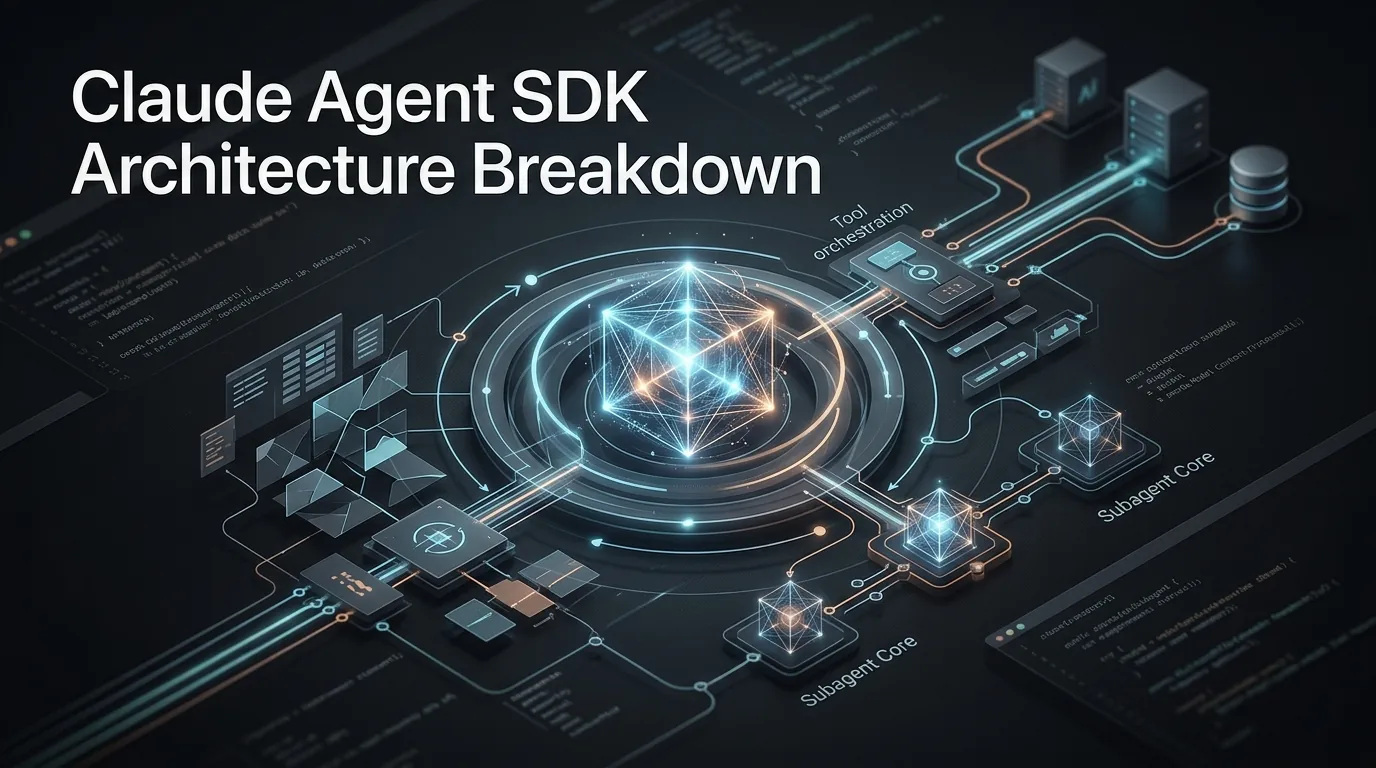
Claude Agent SDK Architecture Breakdown
A technical breakdown of the runtime behind Claude Code and the Claude Agent SDK, including the agent loop, context compaction, tools, hooks, skills, and MCP.
By Zoe一Apr 09, 2026- News
- Claude Code
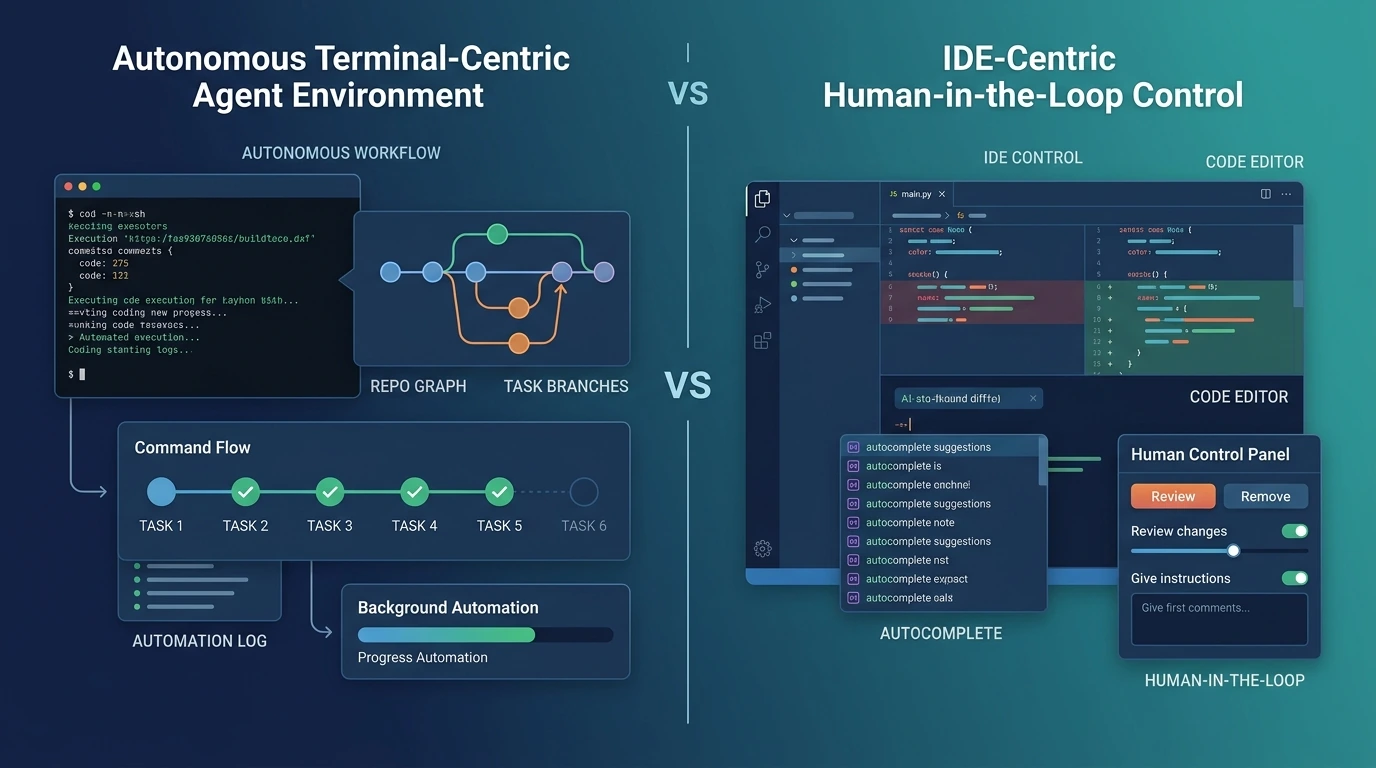
Claude Code vs Cursor in 2026: Which Workflow Fits?
Compare Claude Code and Cursor on autonomy, editing speed, background agents, automation, and pricing to choose the right AI coding workflow in 2026.
By Lucas一Apr 10, 2026- News
- Claude Code
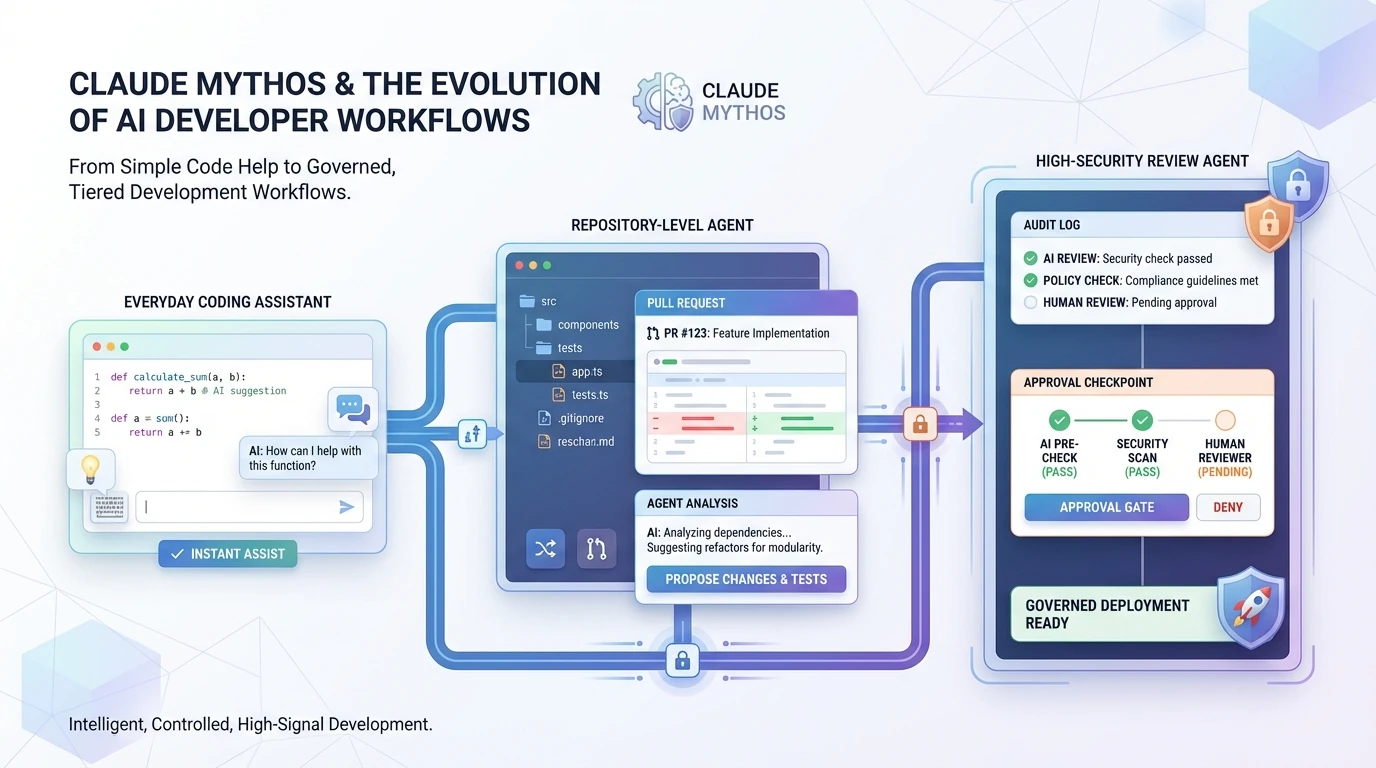
Claude Mythos Coding and AI Dev Workflows
Claude Mythos is more than a benchmark jump. Its gated rollout shows how AI development teams should rethink model tiers, review, and security.
By Mila一Apr 10, 2026- News
- Claude Code